Blog Article
Monstera Care Tips: Grow a Lush, Instagram-Worthy Plant
Unlock the secrets to thriving Monstera plants! Learn essential Monstera care tips for light, watering, humidity, and how to encourage stunning fenestration for a truly Instagram-worthy houseplant.
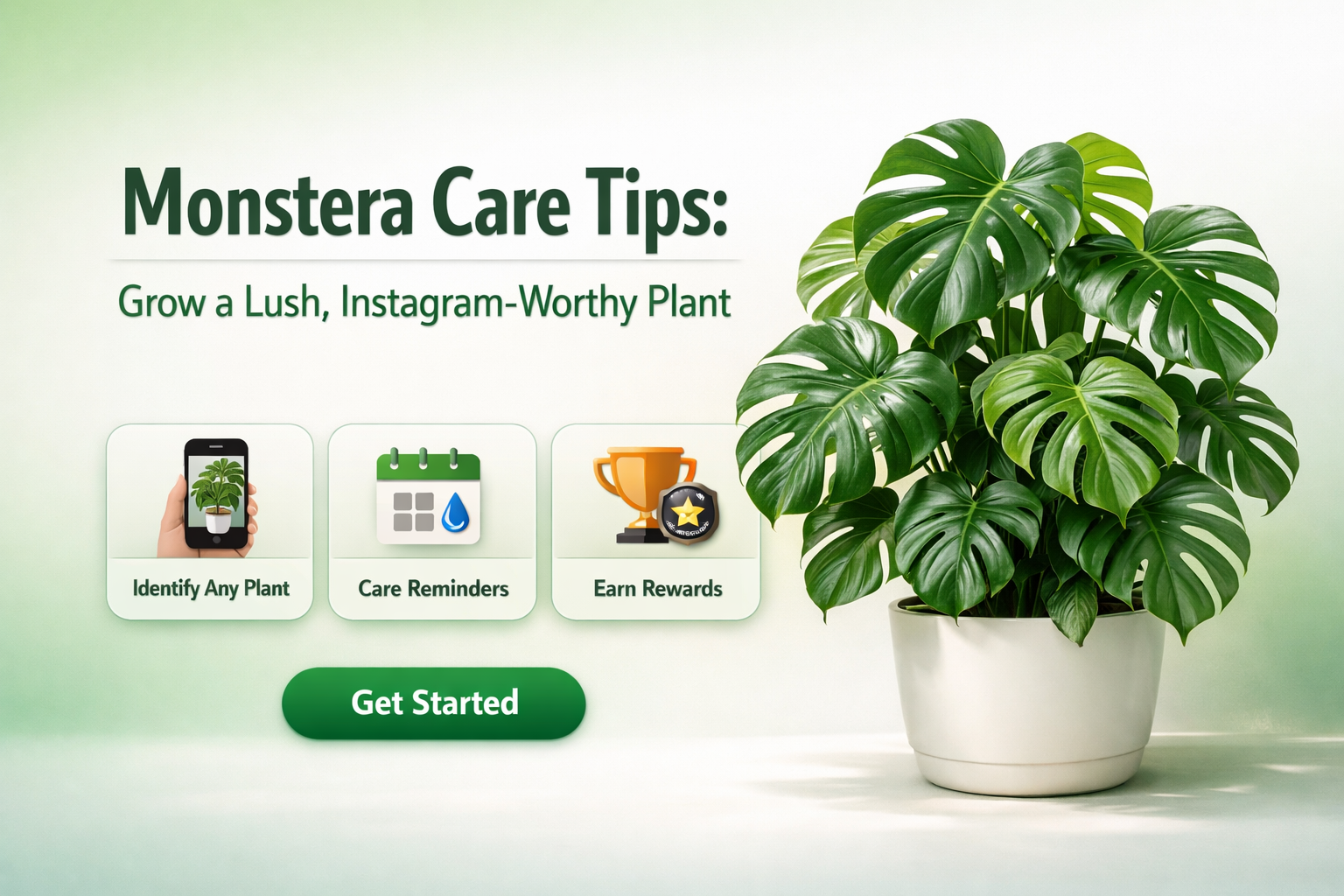
Few houseplants capture the imagination quite like the Monstera. With their iconic, deeply-lobed leaves and often impressive size, these tropical beauties have become a cornerstone of indoor jungles and social media feeds alike. The desire for a lush, thriving Monstera, complete with those coveted fenestrations (the natural splits and holes in the leaves), drives many plant enthusiasts. However, achieving that picture-perfect specimen requires understanding and consistent Monstera care tips.
Whether you're a seasoned plant parent or just starting your green journey, mastering the art of Monstera care can transform your living space. From ensuring the right light conditions to tackling common issues, this guide will walk you through everything you need to know. We'll delve into the specific needs of these stunning plants, helping you cultivate a magnificent Monstera that not only survives but truly flourishes, becoming a vibrant focal point in your home. Get ready to unlock the secrets to a happy and healthy Monstera!
The Allure of Monstera Deliciosa: Iconic Houseplant
The Monstera deliciosa, often affectionately called the "Swiss Cheese Plant," isn't just popular; it's a global phenomenon in the houseplant world. Originating from the tropical rainforests of Southern Mexico and Panama, these plants are known for their striking aesthetic and relatively straightforward care, making them an ideal choice for many indoor gardeners. Their large, glossy, heart-shaped leaves gradually develop characteristic splits and holes as they mature, a process called fenestration. This unique adaptation in the wild helps them withstand strong winds and allows light to penetrate to lower leaves.
Beyond their beauty, Monsteras are valued for the presence they bring to a room — a large, healthy specimen makes a space feel noticeably more inviting. Their impressive size, especially as they mature, makes them excellent statement pieces in any room. Starting your plant collection with a well-researched understanding of a few key plants is a great strategy. If you're looking to expand your knowledge base on general plant care, consider exploring resources like The Ultimate Beginner Houseplant Guide: Start Your Green Journey Today.
Optimal Conditions for Your Monstera: Light, Water, Humidity
Recreating a tropical environment indoors is key to successful Monstera care. Getting the balance right with light, water, and humidity will prevent most common issues and encourage vigorous growth.
Light Requirements for Monsteras
Monsteras thrive in bright, indirect light. Think of their natural habitat: growing under the canopy of larger trees, receiving dappled sunlight. An east-facing window is often ideal, providing gentle morning sun. A south or west-facing window works too, but ensure the plant is placed a few feet away or protected by sheer curtains to prevent direct, harsh afternoon sun, which can scorch its leaves. Insufficient light, on the other hand, can lead to leggy growth, smaller leaves, and a lack of fenestrations. If your space lacks natural light, consider supplementing with a grow light to mimic their preferred conditions. For more detailed guidance on lighting, you might find our guide on Grow Lights for Houseplants: Your Complete Guide & Product Picks helpful.
Watering Your Monstera Correctly
Overwatering is a common killer of houseplants, and Monsteras are no exception. The golden rule for watering your Monstera is to allow the top 2-3 inches of soil to dry out completely between waterings. You can test this by sticking your finger into the soil. When it feels dry to the touch, it's time to water thoroughly until water drains from the bottom of the pot. Ensure your pot has drainage holes to prevent waterlogging. During winter months, when growth slows, reduce your watering frequency. For an in-depth understanding of proper watering techniques, check out Watering Your Plants: The Ultimate Guide for Beginners.
The Importance of Humidity
As tropical plants, Monsteras love high humidity. While they can tolerate average household humidity, providing extra moisture will encourage healthier, larger leaves and better fenestration. You can increase humidity around your plant by:
- Misting the leaves regularly (daily or every other day).
- Placing the plant near a humidifier.
- Using a pebble tray filled with water beneath the pot (ensure the pot isn't sitting directly in the water).
- Grouping your Monstera with other humidity-loving plants. For even more ways to keep your greens thriving in humid conditions, read our article on Mastering Indoor Plant Humidity: Keep Your Greens Thriving.
Encouraging Fenestration & Supporting Growth
The intricate splits and holes (fenestrations) in Monstera leaves are perhaps their most defining and sought-after characteristic. Achieving these requires optimal conditions and understanding the plant's natural growth habits.
Unlocking Monstera Fenestration
Fenestration is a sign of a happy, mature Monstera. Young plants or those not receiving ideal care will often produce solid, heart-shaped leaves. To encourage those coveted splits, focus on:
- Bright, Indirect Light: This is paramount. Monsteras need ample light energy to develop fenestrations.
- Age and Maturity: Fenestrations appear as the plant grows older and produces larger leaves. Be patient!
- Consistent Care: Adequate watering, humidity, and proper fertilization contribute to overall plant health, which in turn supports fenestration.
Providing Essential Plant Support
In their natural habitat, Monsteras are epiphytic, meaning they climb up trees using their aerial roots to anchor themselves. Indoors, they need similar support to grow upright and produce larger, healthier leaves with good fenestrations. Without support, they tend to sprawl horizontally. A moss pole or a sturdy stake is highly recommended. Gently tie new growth to the pole as it emerges, allowing the aerial roots to eventually attach themselves. This vertical growth habit mimics their natural environment, promoting stronger stems and larger foliage.
Pruning for Health and Shape
Pruning your Monstera isn't just about controlling its size; it also promotes bushiness and removes unhealthy growth. Use sharp, sterile shears to make clean cuts. You can prune back leggy stems to encourage new growth from the nodes, or remove yellowing or damaged leaves. Pruning is also an excellent opportunity for propagation – you can take stem cuttings with at least one node and an aerial root to grow new plants. If you're interested in expanding your collection, our Plant Propagation Guide: Expand Your Collection for Free! offers step-by-step instructions.
Common Monstera Issues and How to Solve Them
Even with the best Monstera care tips, your plant might encounter some bumps along the road. Knowing how to diagnose and address common problems can save your beloved plant.
Yellowing Leaves
Yellow leaves are a frequent complaint among Monstera owners. The cause can vary:
- Overwatering: This is the most common culprit. If the soil is consistently soggy, roots can suffocate and rot. Root Rot Treatment & Prevention: Save Your Overwatered Plants offers solutions.
- Underwatering: Less common for yellowing, but prolonged dryness can stress the plant.
- Nutrient Deficiency: Especially nitrogen. Ensure you're fertilizing during the growing season.
- Age: Older, lower leaves naturally yellow and drop as the plant grows.
- Pests: Inspect the undersides of leaves and stems for tiny invaders.
Brown or Crispy Edges
If your Monstera's leaf edges are turning brown and crispy, it typically points to:
- Low Humidity: A very common issue in indoor environments, especially during winter. Increase humidity as discussed above.
- Underwatering: If the soil gets bone dry too often.
- Too Much Direct Sun: Sunburn can cause crispy, brown patches. Move your plant to a shadier spot.
Dealing with Houseplant Pests
Monsteras can occasionally attract common houseplant pests like spider mites, thrips, mealybugs, or scale. Regular inspection is your best defense. Look for tiny webs, sticky residue, or small insects on the leaves and stems.
- Treatment: Isolate the plant immediately. Wipe leaves with a damp cloth, use insecticidal soap, or apply neem oil. Repeat treatments are usually necessary. For comprehensive advice on keeping your plants pest-free, check out Indoor Plant Pest Control: Identify, Treat, & Prevent Common Invaders.
Staying on top of your plant's health can feel like a full-time job, especially if you have a growing collection. Thankfully, tools like the BenePlant app can make it effortless. With AI plant identification, personalized care schedules, and reminders, you can prevent many of these common issues before they start. Discover how BenePlant can simplify your plant parenting journey: BenePlant: Your Ultimate AI-Powered Plant Care Companion App.
Frequently Asked Questions About Monstera Care
How do I make my Monstera leaves split?
Fenestration (leaf splitting) is a natural process that occurs as a Monstera plant matures and receives optimal conditions. Ensure your plant gets bright, indirect light, consistent watering, high humidity, and sufficient nutrients. Patience is key; young plants typically produce solid leaves before developing splits.
How often should I fertilize my Monstera?
During the active growing season (spring and summer), fertilize your Monstera every 2-4 weeks with a balanced liquid fertilizer diluted to half strength. Reduce or stop fertilizing entirely during fall and winter when the plant's growth slows down.
What type of soil is best for Monstera?
Monsteras thrive in a well-draining, aerated potting mix. A good blend typically includes peat moss or coco coir, perlite or pumice for drainage, and orchid bark or coco chunks for aeration. This mimics their natural forest floor environment and prevents waterlogging.
Is Monstera deliciosa toxic to pets?
Yes, Monstera deliciosa is toxic to cats, dogs, and humans if ingested. It contains calcium oxalate crystals which can cause oral irritation, pain, and swelling. Keep your Monstera out of reach of curious pets and children. If you have pets, consider researching Pet-Safe Houseplants Guide: Keep Your Furry Friends Safe & Sound for alternatives.
Conclusion
Caring for a Monstera deliciosa is a rewarding experience that transforms your home with its lush, tropical beauty. By understanding and implementing these essential Monstera care tips – providing bright, indirect light, consistent watering, ample humidity, and proper support – you'll be well on your way to cultivating a magnificent, fenestrated plant that will be the envy of all. Remember, every plant is unique, so observe your Monstera closely and adjust its care as needed.
Don't let the thought of complex plant care deter you. With the right knowledge and tools, nurturing your Monstera can be a source of great joy and a fantastic way to bring more nature into your life. For personalized guidance and to simplify your plant care routine with AI-powered insights, consider trying BenePlant. It's designed to help you keep all your houseplants thriving. Explore our Subscription Plans and unlock advanced features to become the best plant parent you can be!
Share this article