Blog Article
Watering Your Plants: The Ultimate Guide for Beginners
Master the art of watering your indoor plants with this ultimate guide for beginners. Learn how to water plants correctly, identify signs of overwatering vs. underwatering, and keep your houseplants thriving.
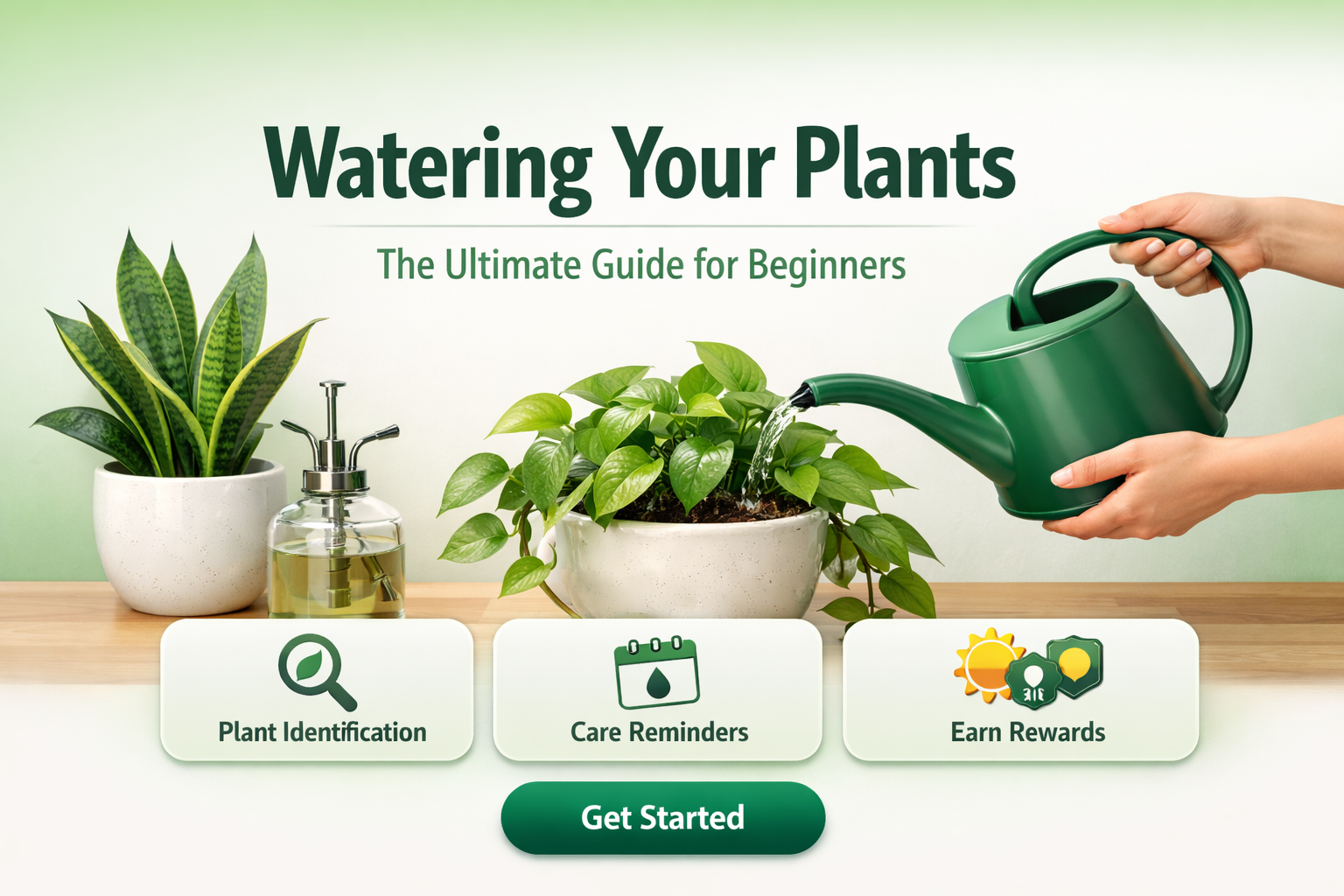
Welcome to the most crucial aspect of indoor plant care: watering. For many beginner plant parents, knowing how to water plants correctly is the biggest hurdle, often leading to sad, wilting, or even dead houseplants. Fear not! This comprehensive guide will demystify the art and science of plant hydration, equipping you with the essential indoor plant care tips you need to ensure your green companions thrive. Proper watering isn't just about pouring water; it's about understanding your plant's needs, recognizing vital signs, and establishing a consistent, yet flexible, routine.
Whether you're struggling with leaves turning yellow, crispy edges, or just want to ensure you're giving your plants the best chance at life, you've come to the right place. We'll dive deep into the golden rules of watering, help you differentiate between overwatering plants and underwatering plants, and introduce you to smart tools that can simplify your plant care journey. By the end of this article, you'll have the confidence to water your plants like a seasoned pro, fostering lush growth and vibrant health in every pot.
The Golden Rule of Plant Care: Mastering Watering
Water is life, and for your houseplants, it's the fundamental element that underpins all other care. Without proper hydration, nutrients can't be transported, photosynthesis grinds to a halt, and your plant simply cannot function. The "golden rule" of watering isn't a fixed schedule, but rather a dynamic approach that puts your plant's specific needs, its environment, and its growth cycle at the forefront. Ignoring this principle is often the quickest path to houseplant heartbreak.
It's tempting to think of watering as a routine chore, but successful plant parents view it as an ongoing conversation with their plants. Observing, feeling, and understanding the nuances of your plant's individual requirements will empower you to provide just the right amount of moisture, exactly when it's needed. This proactive and observant approach is what separates a thriving plant collection from a constantly struggling one.
Why Watering is Crucial for Plant Health
Water plays several vital roles in a plant's life. It's the medium through which nutrients are absorbed from the soil and transported throughout the plant, from roots to leaves. It's a key ingredient in photosynthesis, the process by which plants convert light energy into food. Water also maintains turgor pressure, keeping stems firm and leaves perky; without it, plants wilt. Moreover, a healthy moisture level in the soil supports beneficial microbial activity, which is essential for nutrient cycling.
Understanding Your Plant's Unique Needs
Not all plants are created equal when it comes to water. A desert-loving succulent will have drastically different needs than a moisture-loving fern or a tropical aroid. Research your specific plant varieties to understand their native habitats and replicate those conditions as closely as possible. Factors like leaf thickness, root structure, and growth rate all influence how much and how often a plant needs water. Thick, succulent leaves store water, requiring less frequent watering, while delicate, thin leaves often signal a need for more consistent moisture.
The "Feel the Soil" Method: Your Best Indicator
Forget rigid schedules; your fingers are your best watering tool. Before reaching for the watering can, gently insert your index finger into the soil about 1-2 inches deep (or up to your second knuckle). If the soil feels dry, it's likely time to water. If it still feels damp, hold off. This simple yet effective method accounts for variations in temperature, humidity, and plant growth, ensuring you respond to your plant's actual needs rather than an arbitrary calendar date. For larger pots, you might need to check even deeper with a chopstick or a dedicated moisture meter. You can learn more about handy tools in our guide, Master Light & Moisture: BenePlant's Built-in Tools for Healthy Growth.
How Much? When? And What Kind of Water?
Once you've determined your plant is thirsty, the next questions inevitably arise: how much water should you give it, when exactly is the best time, and does the kind of water even matter? These are critical considerations that can significantly impact your plant's health and longevity. Getting these three elements right forms the backbone of successful plant hydration, moving beyond just knowing when to water to executing the task effectively.
Mastering these techniques will empower you to provide optimal moisture, preventing common issues that stem from either too much or too little, or even inappropriate water quality. It's about developing a mindful approach that considers the complete watering process from start to finish.
The "Saturate and Drain" Technique
When you water, do so thoroughly. Pour water slowly and evenly over the entire soil surface until it begins to drain freely from the bottom of the pot. This ensures that the entire root ball is moistened, and any accumulated mineral salts are flushed out. It's crucial to ensure your pot has drainage holes – without them, water can stagnate, leading to major problems like root rot. Never let your plant sit in standing water; always empty excess water from the saucer within 15-30 minutes. For a deeper dive into choosing appropriate containers, read our article on Choosing the Right Planter: Material, Size, & Drainage Guide.
Reading Your Plant's Cues (Beyond the Soil)
While the "feel the soil" method is primary, your plant itself will often give you visual cues. Drooping leaves can signify thirst, especially if the soil is dry. Leaves may also appear duller or less vibrant. However, it's important to differentiate these signs from those of overwatering, which we'll discuss next. Establishing a consistent watering routine also means watering at a consistent time of day, typically in the morning. This allows the plant to use the water throughout the day and gives any excess time to evaporate before cooler evening temperatures set in, reducing the risk of fungal issues.
The Best Water for Your Plants
Most houseplants are fine with tap water, but there are exceptions. If your tap water is heavily chlorinated or contains high levels of fluoride, it can sometimes cause brown leaf tips or edges, especially on sensitive plants like ferns or prayer plants. Letting tap water sit out for 24 hours allows chlorine to dissipate. Distilled water or rainwater are excellent alternatives, though not always practical for an entire collection. Avoid using softened water, as it often contains salts that can harm plants. Temperature also matters: lukewarm water is best, as extremely cold water can shock roots.
Signs of Overwatering vs. Underwatering: Know the Difference
One of the most common pitfalls for beginner plant parents is misdiagnosing watering issues. The symptoms of overwatering and underwatering can sometimes seem similar, like drooping leaves, but the underlying causes and necessary remedies are completely opposite. Understanding these distinctions is critical for saving a struggling plant. This section will equip you with the knowledge to accurately identify what your plant is experiencing, allowing you to take corrective action swiftly and effectively.
Misdiagnosis often leads to a cycle of incorrect care: an overwatered plant might be given more water because its leaves are drooping, exacerbating the problem. Learning to read the subtle (and sometimes not-so-subtle) cues your plant gives you is a superpower that will make you a far more successful plant parent.
Recognizing Overwatering Symptoms
Overwatering is often more fatal than underwatering because it leads to root rot. Here are the tell-tale signs:
- Yellowing Leaves (often lower leaves first): Unlike underwatering, these leaves often feel soft and mushy, not crispy.
- Wilting/Drooping Leaves: Paradoxically, overwatered plants can also droop because their roots are suffocating and can't absorb water effectively. The soil will feel consistently wet, however.
- Mushy Stems or Base: The stem might feel soft to the touch, and the base of the plant might appear dark and mushy. This is a severe sign of root rot.
- Fungus Gnats: Small, dark flies hovering around the soil surface are a common indicator of consistently wet soil.
- Stagnant Odor: A foul, moldy, or rotten smell coming from the soil indicates bacterial or fungal growth due to excessive moisture.
- Edema: Small blisters or bumps on leaves, often on the undersides.
- Slow Growth/Stunted Growth: Roots compromised by excess water can't properly nourish the plant.
If you suspect root rot, check out our guide on Root Rot Treatment & Prevention: Save Your Overwatered Plants. For general yellowing leaves, our article Why Are My Houseplant Leaves Turning Yellow? Diagnose & Fix It! provides more insights.
Spotting Underwatering Stress
Underwatering is usually easier to fix, as roots are often still viable. Look for these signs:
- Crispy, Dry Leaves: Leaves may turn yellow or brown, starting from the tips or edges, and feel dry and brittle.
- Drooping/Limp Leaves: Plants wilt as their cells lose turgor pressure. The soil will be bone dry to the touch.
- Stunted Growth: Lack of water slows down metabolic processes.
- Lightweight Pot: The pot will feel significantly lighter than usual.
- Soil Shrinking from Pot Edges: The soil may pull away from the sides of the pot, creating gaps.
Emergency Fixes
- Overwatering: Stop watering immediately. Remove the plant from its pot, inspect roots, trim any mushy, black roots, and repot in fresh, dry soil. Consider aerating the soil or moving the plant to a brighter, warmer spot to encourage drying.
- Underwatering: Give the plant a thorough soak. Place the pot in a basin of water for 30 minutes to an hour, allowing it to absorb water from the bottom up. Alternatively, water slowly and thoroughly from the top until water drains, and repeat after 15 minutes to ensure full saturation.
BenePlant's Personalized Schedules: Never Guess Again
Even with all the knowledge in the world, life gets busy. For beginner and intermediate plant owners alike, maintaining a perfect watering schedule for an entire collection can feel like a daunting task. This is where modern technology comes in to streamline your indoor plant care. Imagine having a smart assistant that knows each of your plants' specific needs and reminds you exactly when it's time to water, taking the guesswork and anxiety out of the equation.
BenePlant was designed precisely for this purpose, transforming the challenge of plant hydration into a seamless, enjoyable, and ultimately rewarding experience. No more frantic Googling at the sight of a droopy leaf or wondering if you watered your monstera last Tuesday or the Tuesday before.
AI-Powered Reminders Tailored to Your Plants
BenePlant takes the hassle out of remembering watering days. Once you identify your plants using our AI Plant Identification feature and add them to your collection, our intelligent system generates personalized care schedules. These aren't just generic reminders; they're tailored to your specific plant species, factoring in typical needs, and even allowing you to adjust based on your environment. Whether it's a succulent needing water every few weeks or a thirsty fern craving it twice a week, BenePlant keeps track.
Seamless Integration with Your Life
We understand that you have a busy life. That's why BenePlant's personalized watering and fertilizing reminders can be easily integrated with your Google Calendar. This means your plant care tasks appear alongside your work meetings, appointments, and social events, making it effortless to weave plant care into your daily routine. No need to open another app just to check on your plants – the reminder pops up where you already manage your day.
Staying Motivated with BenePlant's Gamification
Keeping plants alive can be incredibly rewarding, but it can also be a challenge to stay consistently motivated, especially during busy periods. BenePlant turns plant care into a fun and engaging experience with its unique gamification system. As you water your plants, complete care tasks, and maintain healthy care streaks, you earn XP and unlock badges. This playful approach encourages consistency and celebrates your success, making you feel like a true plant hero with every thriving leaf. Discover more about how BenePlant revolutionizes your plant care journey in our article, BenePlant: Your Ultimate AI-Powered Plant Care Companion App.
Essential Tools & Best Practices for Confident Watering
Beyond understanding how much and when to water, having the right tools and adopting smart habits can elevate your watering game from guesswork to expertise. These best practices ensure that your efforts are consistently effective, promoting stronger roots and more vibrant foliage. Equipping yourself with a few key items and integrating them into your routine will make watering less of a chore and more of a precise, nurturing act.
From ensuring proper drainage to choosing the ideal watering device, every detail contributes to a healthier environment for your beloved houseplants. Consider these tips as the final touches to perfect your watering technique.
The Importance of Drainage Holes
We cannot stress this enough: drainage holes are non-negotiable. Without them, excess water accumulates at the bottom of the pot, suffocating roots and inevitably leading to root rot. If you fall in love with a decorative pot that lacks drainage, use it as a cachepot (a decorative outer pot) and keep your plant in a nursery pot with drainage inside. This allows you to easily remove the plant for watering and drain any excess water before placing it back.
Potting Materials Matter
The material of your plant pot significantly influences how quickly soil dries out.
- Terracotta/Unglazed Ceramic: Porous materials that allow water to evaporate through the sides. Ideal for plants that prefer drier soil or are prone to overwatering, as they help prevent moisture build-up.
- Plastic/Glazed Ceramic: Non-porous, retaining moisture for longer. Good for moisture-loving plants or if you tend to underwater.
- Grow Bags: Fabric grow bags offer excellent aeration and drainage, preventing root circling and promoting healthy root systems.
Factor in your pot material when determining your watering frequency.
Tools to Help You Succeed
While your finger is the primary tool, a few aids can enhance your accuracy:
- Moisture Meter: A simple probe inserted into the soil can give you a clear reading of moisture levels at various depths. This is especially helpful for larger pots where a finger test might not reach deep enough. BenePlant's upcoming features may include integration with smart moisture sensors for even more precision!
- Watering Can with a Long Spout: A long, narrow spout allows for precise watering, directing water to the soil without splashing leaves or disturbing decorative top layers.
- Self-Watering Pots: These pots feature a reservoir that wicks water up to the soil as needed, offering a more hands-off approach for some plant types. Be mindful of potential overwatering in certain setups.
FAQ: Your Most Common Watering Questions Answered
Q1: How do I know if my plant needs water?
A1: The best way is to feel the soil. Stick your finger 1-2 inches deep into the soil. If it feels dry, it's time to water. You can also lift the pot; a dry pot will feel significantly lighter. Visual cues like drooping or dull leaves can also indicate thirst.
Q2: Is it better to overwater or underwater my plants?
A2: Neither is ideal, but underwatering is generally easier to recover from. Overwatering can quickly lead to root rot, which is often fatal for plants. When in doubt, it's usually better to wait an extra day before watering.
Q3: Why is water draining out of the bottom of my pot so quickly?
A3: This usually means the soil has become "hydrophobic" or compacted and isn't absorbing water properly. The water is just running through the sides. To fix this, thoroughly soak the pot in a basin of water for 30 minutes to an hour, allowing the soil to rehydrate from the bottom up. Repotting with fresh soil might also be necessary if the soil is very old and compacted.
Q4: Should I water my plants on a schedule?
A4: While consistency is good, a rigid schedule isn't recommended because plant needs vary with seasons, light, and temperature. Instead, use the "feel the soil" method and your plant's visual cues. Apps like BenePlant can provide personalized reminders that adapt to your plant's type and environment, helping you maintain consistency without rigidity.
Q5: Can I use ice cubes to water my plants?
A5: While some people use ice cubes for orchids, it's generally not recommended for most houseplants. The extremely cold water can shock roots, and the slow melt doesn't always ensure even saturation of the entire root ball. It's better to use lukewarm water for thorough watering.
Conclusion
Mastering the art of watering is undeniably the most critical skill for any indoor plant enthusiast, from beginner to expert. It's a journey of observation, patience, and understanding, but with the right knowledge and tools, it transforms from a challenge into a deeply satisfying aspect of plant care. By learning how to water plants correctly, distinguishing between the signs of overwatering plants and underwatering plants, and providing the right kind of moisture, you unlock the full potential of your green companions.
Remember, every plant is unique, and your environment plays a significant role. Continuously observe your plants, adjust your routine as needed, and don't be afraid to get your hands dirty (literally!). With resources like BenePlant offering personalized care schedules and helpful reminders, you'll never have to guess again. Ready to bring your plant care to the next level? Explore BenePlant's subscription plans and transform your houseplant journey today, ensuring your indoor garden flourishes with vibrant life.
Share this article