Blog Article
Root Rot Treatment & Prevention: Save Your Overwatered Plants
Discover practical root rot treatment and prevention strategies to save your overwatered plants. Learn how to diagnose, treat, and prevent this common houseplant killer with BenePlant's guide.
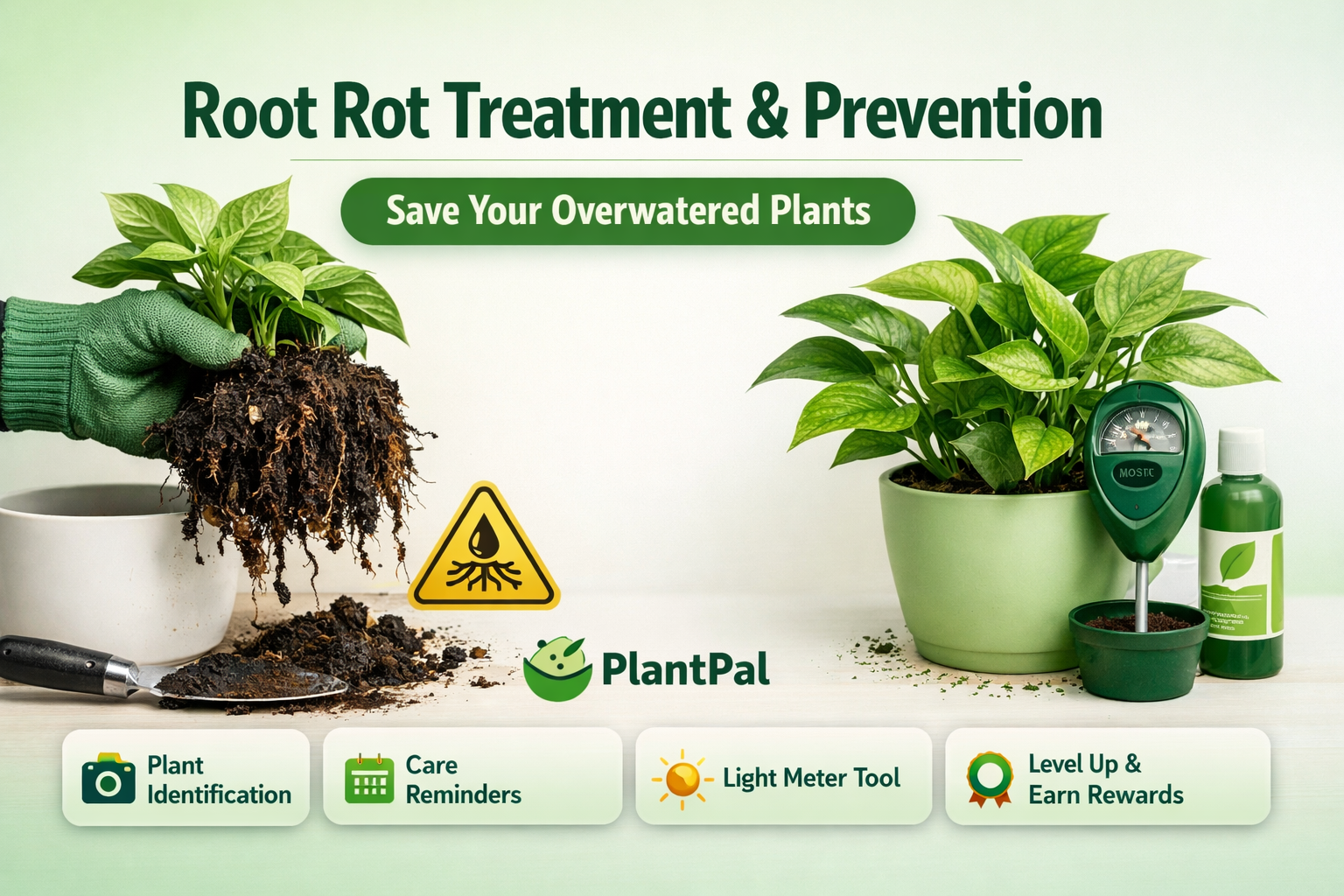
Few things are as disheartening for a plant parent as watching a once-thriving houseplant inexplicably decline. Often, the silent culprit behind this wilting misery is root rot, a fungal disease that suffocates and destroys a plant's essential lifelines. It’s a common issue, especially for beginners who are still learning the nuances of proper watering, and it primarily stems from overwatering plants and inadequate drainage. If you've ever found yourself wondering "Why are my leaves yellowing?" or "Why does my plant feel mushy?", root rot might be the answer.
But don't despair! While root rot can be a plant killer, it's often reversible if caught early enough. This comprehensive guide will equip you with the knowledge to identify, treat, and, most importantly, prevent root rot, ensuring your beloved indoor plants not only survive but truly thrive. We'll dive deep into understanding what root rot is, how to spot its tell-tale signs, and step-by-step emergency treatment methods. Beyond rescue, we'll focus on proactive prevention, covering everything from proper watering techniques to selecting the right soil and planters. By the end of this article, you'll feel confident tackling this common houseplant challenge.
Understanding Root Rot: The Silent Killer of Houseplants
Root rot is not a single disease but a general term for the decay of a plant's root system, typically caused by a lack of oxygen and the proliferation of harmful fungi or bacteria. When a plant sits in overly wet soil for too long, the air pockets in the soil become saturated with water, depriving the roots of the oxygen they need to respire. This anaerobic environment is a breeding ground for various pathogens, including Pythium, Phytophthora, and Fusarium, which then attack the compromised roots.
These fungi and bacteria break down the root tissues, turning them soft, mushy, and often black or brown. Healthy roots, by contrast, are typically firm, white, or light tan, and smell earthy. As the roots decay, they lose their ability to absorb water and nutrients, even if the soil itself is moist. This leads to the ironic symptom of a root-rotted plant appearing dehydrated, despite being in waterlogged soil. It's a vicious cycle that, if left unchecked, will ultimately lead to the collapse and death of the plant. Understanding this mechanism is the first crucial step in effective root rot treatment and prevention.
Symptoms & Diagnosis: How to Spot Root Rot Early
Early detection is paramount when it comes to saving a plant from root rot. The symptoms can often mimic other plant issues, making accurate diagnosis a bit tricky at first, but a combination of signs usually points to root rot. The most common indicators are often visible above ground, even though the problem lies beneath the surface.
Visual Cues Above Ground
- Wilting and Drooping Leaves: Despite the soil being wet, leaves may look limp and wilted, as if the plant is thirsty. This is because the damaged roots can no longer transport water efficiently.
- Yellowing or Browning Leaves: Older leaves, especially at the base of the plant, often turn yellow or brown, sometimes with black spots, and may eventually drop off. This is a common symptom of stress and nutrient deficiency due to compromised roots.
- Stunted Growth: The plant stops growing or shows very slow, weak growth. New leaves may be smaller or discolored.
- Soft, Mushy Stems or Base: In severe cases, the stem or the base of the plant may become soft, discolored, and mushy, indicating the rot has spread upwards.
Uncovering the Root of the Problem
The most definitive diagnosis requires inspecting the roots themselves. Carefully slide the plant out of its pot, trying not to disturb the root ball too much.
- Color and Texture: Healthy roots are typically white, firm, and pliable. Roots affected by root rot will appear brown or black, feel soft and mushy, and might easily break apart when touched.
- Smell: Overwatered, rotting roots often emit a foul, stagnant, or sulfurous odor, distinct from the earthy smell of healthy soil and roots.
- Lack of Feeder Roots: You may notice a significant absence of fine, white feeder roots, which are crucial for water and nutrient uptake.
If you observe these signs, particularly the condition and smell of the roots, it's time for immediate intervention. Prompt action is critical, so understanding these signs is a key part of houseplant troubleshooting. For more general advice on plant ailments, check out our Houseplant Troubleshooting: Common Issues & Quick Fixes.
Emergency Treatment: Steps to Save Your Plant
Once you've diagnosed root rot, acting quickly can significantly improve your plant's chances of survival. This is a delicate operation, but with care, you can rescue your plant.
- Gently Remove the Plant: Carefully slide the plant out of its pot. If it's stuck, you might need to run a knife around the inner edge of the pot. Handle the plant by its base rather than pulling on the stem.
- Inspect and Prune Damaged Roots: Knock off as much of the old, waterlogged soil as possible. Gently untangle the roots under lukewarm running water to expose the entire root system. Using sterile scissors or sharp pruning shears, carefully cut away all roots that are black, brown, mushy, or smell foul. Healthy roots are firm and typically white or light tan. Make sure your tools are clean to prevent further fungal spread.
- Treat with Fungicide (Optional but Recommended): After pruning, you can dip the remaining healthy roots in a diluted solution of hydrogen peroxide (1 part 3% hydrogen peroxide to 2 parts water) or a commercial fungicide solution formulated for plants. This helps kill any lingering fungal spores. Allow the roots to air dry for an hour or two on a clean paper towel before repotting.
- Repot with Fresh, Well-Draining Soil: It is crucial to repot the plant in a clean pot (sterilize old pots with a bleach solution) and fresh potting mix. Do not reuse the old soil, as it likely harbors pathogens. Choose a potting mix that is specifically designed for indoor plants and offers excellent drainage. Consider adding perlite or orchid bark to further improve aeration.
- Choose the Right Pot: Ensure the new pot has adequate drainage holes. A slightly smaller pot might be beneficial if you've had to remove a significant portion of the root system, as too much soil can retain excess moisture. Our guide on Choosing the Right Planter: Material, Size, & Drainage Guide can help you select the perfect pot.
- Post-Treatment Care: After repotting, avoid watering for a few days to allow the roots to heal and settle. Place the plant in a bright, indirect light location, away from direct sunlight which can stress it further. Monitor it closely. It might take some time for the plant to recover and show new growth, but consistent, proper care will aid its revival.
Preventing Root Rot: The Keys to Healthy Watering & Soil
Prevention is always better than cure, especially when it comes to root rot. Establishing good habits and providing the right environment for your plants will drastically reduce the risk of this fungal infection.
Mastering Watering Techniques
Overwatering is the single biggest cause of root rot. Understanding when and how much to water is fundamental.
- Feel the Soil: Don't just water on a schedule. Stick your finger about 1-2 inches deep into the soil. If it feels dry, it's likely time to water. If it's still damp, wait a few more days. For a more precise approach, consider using a moisture meter, a tool discussed in our article Master Light & Moisture: BenePlant's Built-in Tools for Healthy Growth.
- Water Thoroughly, Then Drain: When you do water, water deeply until you see water flowing out of the drainage holes. This ensures the entire root ball gets hydrated. Immediately empty any excess water from the saucer. Plants should never sit in standing water. For a complete deep dive, read Watering Your Plants: The Ultimate Guide for Beginners.
- Consider Plant Needs: Different plants have different watering requirements. Cacti and succulents prefer dry conditions, while tropical plants might need more consistent moisture. Adjust your watering frequency based on the specific plant, season, and environmental conditions (humidity, temperature, light).
Optimizing Soil and Drainage
The right potting medium and container are crucial for preventing waterlogging.
- Well-Draining Potting Mix: Use a high-quality potting mix that is airy and drains well. Avoid heavy garden soil, which can compact and retain too much moisture. Many commercial potting mixes are designed for indoor plants, and you can further improve drainage by adding perlite, pumice, or orchid bark.
- Adequate Drainage Holes: This cannot be stressed enough. Always use pots with drainage holes. If your decorative pot lacks holes, use a nursery pot inside it and remove the plant for watering, allowing it to drain completely before returning it to the decorative pot.
- Proper Pot Size: Avoid potting a small plant in a pot that is too large. Excess soil in a large pot can hold too much moisture, leading to root rot. Gradually increase pot size as the plant grows.
Environmental Factors
- Light Levels: Plants in brighter light generally use water more quickly than those in low light. Adjust your watering schedule accordingly.
- Humidity and Temperature: Higher humidity and cooler temperatures can reduce evaporation from the soil, meaning plants need less frequent watering. Conversely, dry, warm conditions will dry out soil faster.
- Air Circulation: Good air circulation around the plant and soil surface can help prevent moisture buildup and fungal growth.
By implementing these preventive measures, you can create an environment where your plants thrive and root rot becomes a worry of the past. For a complete toolkit to support your plant parenting journey, consider BenePlant: Your Ultimate AI-Powered Plant Care Companion App, which helps you track watering schedules, identify plants, and more.
Frequently Asked Questions About Root Rot
Q: Can a plant fully recover from root rot?
A: Yes, many plants can make a full recovery from root rot, especially if the problem is identified and treated early. The key is to remove all affected roots, repot in fresh, well-draining soil, and adjust your watering habits. Recovery may take time, with new growth appearing weeks or even months later.
Q: What does root rot smell like?
A: Roots affected by rot often emit a distinct foul, sulfurous, or sewage-like odor. This is due to the anaerobic conditions and bacterial/fungal decomposition occurring in the waterlogged soil. Healthy roots and soil should have a clean, earthy scent.
Q: How can I tell the difference between overwatering and underwatering?
A: While both can cause wilting, there are key differences. An overwatered plant will typically have damp or soggy soil, yellowing lower leaves that feel soft or mushy, and possibly a foul smell from the roots. An underwatered plant will have dry, hard soil, crispy or brittle leaves (often starting from the edges), and may perk up quickly after watering. The ultimate diagnostic tool is checking the roots for signs of rot.
Q: What kind of potting mix is best to prevent root rot?
A: The best potting mix for prevention is one that is loose, airy, and drains quickly. Look for mixes specifically labeled for indoor plants, houseplants, or even succulent/cactus mixes. You can also amend standard potting soil with materials like perlite, coarse sand, or orchid bark to improve aeration and drainage.
Conclusion
Root rot might be one of the most common and feared ailments for indoor plant enthusiasts, but it doesn't have to be a death sentence for your beloved green companions. By understanding what causes it – primarily overwatering plants and poor drainage – and learning to recognize its subtle symptoms early, you empower yourself to take decisive action. From carefully pruning away diseased roots to providing a fresh start in a healthier environment, effective root rot treatment is within your reach.
More importantly, shifting your focus to prevention is the ultimate strategy. Adopting mindful watering practices, choosing the right soil and pots with excellent drainage, and paying attention to your plant's specific needs will build a resilient foundation against this silent killer. Your plants rely on you for their well-being, and with the knowledge gained here, you're well-equipped to keep their roots happy and healthy. Keep learning, keep observing, and enjoy the rewarding journey of being a confident plant parent. To help manage your plant collection with ease and prevent issues like root rot, be sure to Explore BenePlant's Premium Features for advanced tools and reminders.
Share this article