Blog Article
Choosing the Right Planter: Material, Size, & Drainage Guide
Master the art of selecting the best plant pots! This guide covers plant pot material differences, optimal potting size, and crucial drainage holes to prevent root rot and ensure healthy plant growth.
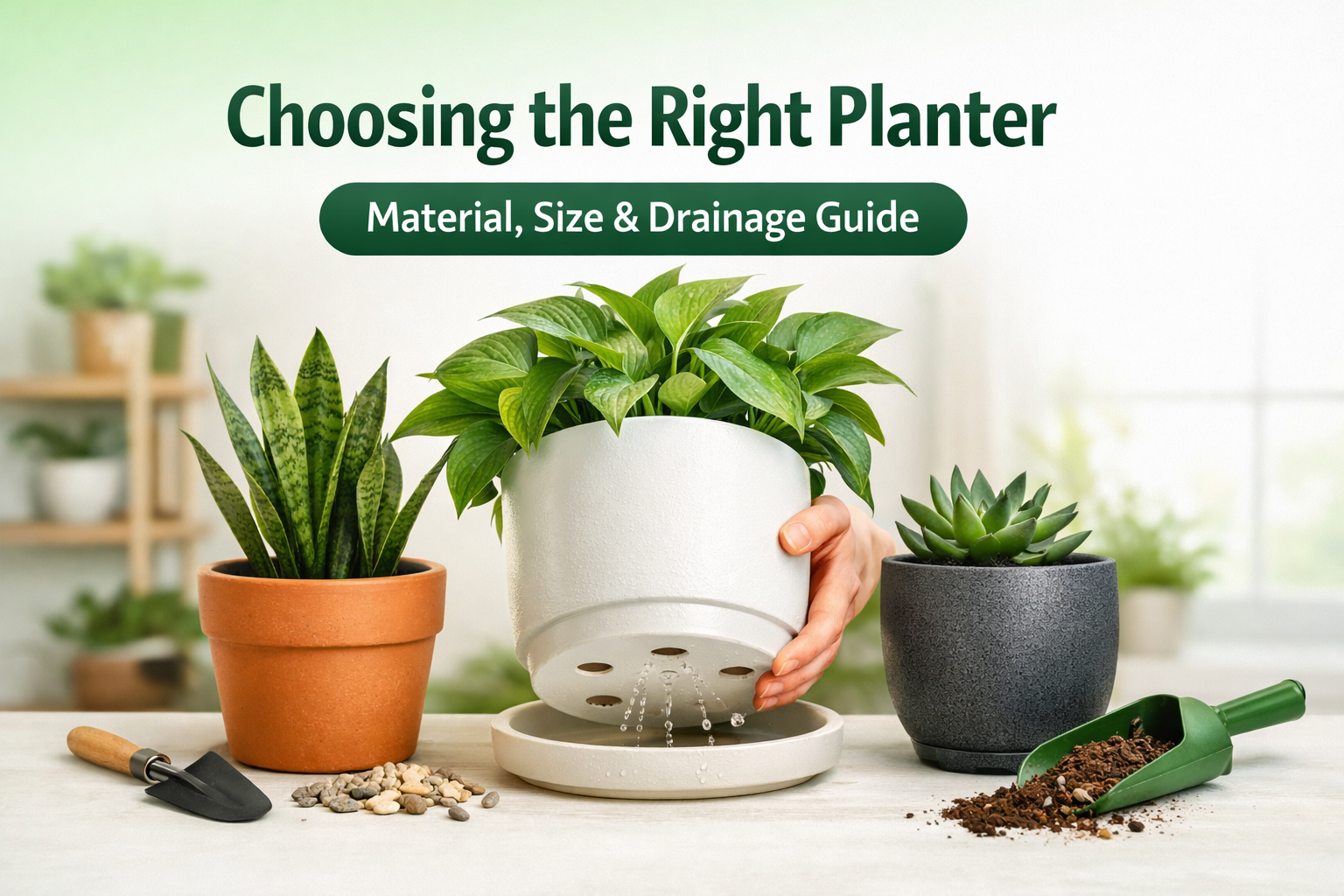
For many indoor plant enthusiasts, the joy of bringing a new leafy friend home often includes picking out a stylish pot to match. While aesthetics are certainly a factor, the truth is that your planter plays a far more critical role than just being a pretty face. The right pot is fundamental to your plant's health, impacting everything from root development to water retention and overall growth. Choosing the best plant pots isn't just about what looks good; it's about providing the optimal environment for your green companion to thrive.
Ignoring these crucial aspects can lead to a host of common plant problems, from stunted growth to the dreaded root rot. This comprehensive guide will walk you through everything you need to know about selecting the ideal home for your plants. We’ll delve into the nuances of different plant pot materials, demystify the art of matching potting size to your plant, and emphasize the absolute necessity of proper drainage holes. By the end, you'll be equipped with the knowledge to make informed decisions that will help your houseplants flourish, transforming you from a casual owner into a confident plant parent.
Beyond Looks: Why Your Planter is Crucial for Plant Health
It's easy to view a plant pot as mere decoration, a vessel to hold soil and plant. However, this understated container is a silent powerhouse in your plant's ecosystem, directly influencing its long-term health and vitality. The choices you make regarding your planter can either foster robust growth or inadvertently create challenges that hinder your plant's progress. Understanding these underlying functions is the first step toward becoming a truly successful plant parent.
Root Health and Aeration
The roots are the lifeline of your plant, responsible for absorbing water and nutrients. A planter that doesn't allow for adequate aeration can suffocate these roots, leading to a host of problems. Different materials facilitate varying levels of air exchange, which is critical for preventing anaerobic conditions where harmful bacteria and fungi thrive. Proper air circulation around the roots ensures they can breathe and function efficiently, leading to stronger, healthier growth above the soil line.
Water Management and Retention
One of the most common causes of houseplant demise is improper watering, and your pot's material significantly influences how quickly soil dries out. Some materials are porous and promote evaporation, helping to prevent overwatering, while others retain moisture for longer periods. Matching the pot's moisture retention properties with your plant's specific watering needs is paramount. A plant that prefers consistently moist soil might struggle in a fast-drying pot, just as a desert dweller would suffer in a pot that stays soggy.
Stability and Support
Beyond the invisible processes of roots and water, a planter also provides physical stability. For larger, top-heavy plants, a sturdy and adequately weighted pot prevents tipping and provides a solid anchor for growth. As plants mature, their root systems expand, and a well-chosen pot offers the necessary space and support for this development. Considering these factors ensures your plant not only survives but also thrives, reaching its full potential in its carefully selected home.
Choosing the Right Planter Material: Terracotta, Ceramic, Plastic, and More
The material of your plant pot is more than just an aesthetic choice; it's a fundamental factor in your plant's health, directly affecting moisture levels, root aeration, and temperature regulation. Each type of plant pot material offers unique advantages and disadvantages, making it essential to match the pot to your plant's specific needs and your watering habits.
Terracotta Pots: The Breathable Choice
Terracotta pots, made from porous clay, are easily identifiable by their earthy, reddish-brown hue. Their key characteristic is breathability.
- Pros: Excellent for preventing overwatering because the porous material allows water to evaporate through the sides of the pot. This promotes good air circulation around the roots, making them ideal for plants susceptible to root rot. They are also relatively inexpensive and provide a classic look.
- Cons: Soil dries out quickly, requiring more frequent watering, especially in warm or dry environments. They are heavy when filled with soil and water, and can break easily if dropped.
- Best For: Cacti, succulents, snake plants, ZZ plants, and other drought-tolerant species or plants that prefer their soil to dry out completely between waterings.
Ceramic and Glazed Pots: The Moisture Retainers
Ceramic pots, often glazed, are less porous than terracotta. The glaze seals the clay, reducing water evaporation through the pot walls.
- Pros: They retain moisture longer, which can be beneficial for thirsty plants. Available in a vast array of colors, patterns, and finishes, they offer significant decorative appeal. Their weight provides good stability for larger, top-heavy plants.
- Cons: Their low porosity means less air circulation for roots, increasing the risk of overwatering and root rot if not managed carefully. They are generally more expensive and just as fragile as unglazed terracotta.
- Best For: Moisture-loving plants like ferns, peace lilies, and calatheas, or any plant that enjoys consistently moist (but not soggy) soil.
Plastic Pots: The Lightweight and Versatile Option
Plastic pots are ubiquitous in nurseries and garden centers due to their practicality and cost-effectiveness.
- Pros: Lightweight, durable (less prone to breaking than clay or ceramic), and excellent at retaining moisture, reducing the frequency of watering. They are also the most affordable option. Their flexibility can sometimes make repotting easier.
- Cons: Lack of breathability can lead to anaerobic conditions and increase the risk of overwatering and root rot if watering isn't precise. They can also degrade over time with UV exposure.
- Best For: Beginners, plants that need consistent moisture, large plants where weight is a concern, or for propagation.
Other Materials: Wood, Metal, and Fabric Pots
- Wooden Planters: Offer a rustic look but can rot over time and may harbor pests. Often used outdoors or with an inner liner.
- Metal Pots: Stylish but can conduct heat and cold, potentially stressing roots. They also lack drainage and can rust. Best used as cachepots (decorative outer pots).
- Fabric Grow Bags: Excellent aeration and drainage, preventing root circling and promoting healthy root structure. Lightweight and breathable, but soil dries out quickly. Best for vigorous growers or temporary homes.
When choosing the right planter material, consider your plant's specific needs first, then your watering habits, and finally, the aesthetic you desire.
Potting Size Guide: Matching Your Planter to Your Plant's Needs
Selecting the correct potting size is just as crucial as choosing the right material. An improperly sized pot can lead to a host of problems, from stunted growth to deadly root rot. It's a delicate balance; too small, and your plant becomes root-bound, too large, and it risks prolonged soil moisture that can drown its roots.
The Dangers of Too Small a Pot
If a plant is in a pot that is too small, its roots quickly fill the available space, becoming "root-bound" or "pot-bound."
- Stunted Growth: With no room to expand, root growth slows, directly impacting the plant's ability to absorb water and nutrients, leading to slower growth of foliage and flowers.
- Frequent Watering: The limited soil volume dries out very quickly, meaning you'll need to water much more frequently, often daily, to keep the plant hydrated.
- Nutrient Deficiency: Less soil means fewer nutrients are available for the plant, even with regular fertilizing, as the roots can't effectively access them.
The Pitfalls of Too Large a Pot
While it might seem counterintuitive, a pot that is too large can be just as detrimental, if not more so, than one that is too small.
- Overwatering Risk: A large pot holds a substantial volume of soil that the plant's roots cannot fully utilize. This excess soil stays wet for too long, creating an ideal environment for fungal growth and bacterial infections, ultimately leading to root rot.
- Slow Drying Soil: Without enough roots to absorb the water, the soil remains saturated, cutting off oxygen to the roots.
- Nutrient Leaching: Water that sits for too long can leach nutrients from the soil, depriving the plant even if you fertilize regularly.
The General Rule for Repotting
When it's time to move your plant to a new home, a good rule of thumb is to go up only one to two inches in diameter. For example, if your plant is currently in a 6-inch pot, move it to an 8-inch pot. This provides enough new space for root growth without overwhelming the plant with too much soil. For tall, narrow plants, you might consider an extra inch in height rather than width.
Exceptions and Considerations
- Slow Growers & Root-Bound Lovers: Some plants, like certain Sansevieria varieties or plants with delicate root systems, prefer to be slightly root-bound. They can thrive in the same pot for several years.
- Fast Growers: Rapidly growing plants like Monsteras or Pothos may benefit from a slightly larger jump (e.g., from 6-inch to 9-inch) if their root system is particularly dense.
- Assessing Root Health: Always check the roots when repotting. If they're circling the bottom, growing out of drainage holes, or forming a dense mat, it's definitely time for a new pot.
For a detailed guide on how to safely transplant your plants, check out our article on How to Repot Houseplants: A Step-by-Step Guide for Healthy Growth. Getting the potting size right ensures your plant has the perfect foundation for continuous, healthy development.
The Drainage Dilemma: Preventing Root Rot with Proper Plant Drainage Holes
When it comes to the longevity and well-being of your houseplants, perhaps no single factor is as critical as proper drainage. Often overlooked by novice plant parents, the presence (or absence) of plant drainage holes in your pot can be the difference between a thriving green companion and a slow, waterlogged demise. Understanding the mechanics of drainage is fundamental to mastering houseplant care.
Why Drainage Holes Are Non-Negotiable
Every plant, regardless of its watering needs, requires drainage. When you water a plant, excess water needs an escape route. Without drainage holes, water accumulates at the bottom of the pot, creating a stagnant, anaerobic environment. This suffocates the roots, preventing them from absorbing oxygen and leading directly to root rot. Root rot is a fungal disease that literally causes the roots to decompose, making it one of the most common and devastating issues for indoor plants.
The Role of Drainage in Preventing Root Rot
Proper drainage ensures that gravity pulls excess water out of the soil, allowing air pockets to form around the root system. This oxygen exchange is vital for healthy root cell function. When soil remains waterlogged, these air pockets are displaced, and the roots essentially drown. The fungal pathogens responsible for root rot flourish in these oxygen-deprived, moist conditions, quickly turning healthy roots into mush. Learning how to properly water your plants in conjunction with good drainage is key to preventing this issue. For a deeper dive into saving your plants from this common problem, read our guide on Root Rot Treatment & Prevention: Save Your Overwatered Plants.
Saucers and Cachepots: Use and Misuse
- Saucers: Essential for catching excess water that drains from your pot, protecting your furniture and floors. However, it's crucial to empty saucers promptly after watering. Allowing your plant to sit in standing water for extended periods can negate the benefits of drainage holes and lead to root rot from the bottom up.
- Cachepots (Decorative Outer Pots): These are fantastic for aesthetics, allowing you to use a simpler, functional pot with drainage inside a more decorative, hole-less outer shell. The key is to lift the inner pot out for watering, let it drain completely, and then return it to the cachepot. Never plant directly into a cachepot without drilling drainage holes yourself. If you are struggling with your watering routine, our Watering Your Plants: The Ultimate Guide for Beginners offers practical advice.
The "False Bottom" Myth (Rocks at the Bottom)
A common but harmful myth suggests that placing a layer of rocks, pebbles, or broken pot pieces at the bottom of a pot without drainage holes will improve drainage. This is false. Instead of creating better drainage, this layer merely raises the "perched water table" — the point at which water begins to accumulate. This reduces the effective soil volume for your plant's roots and still leaves them sitting in stagnant water. Always opt for a pot with actual drainage holes, or be prepared to drill them yourself.
In summary, choosing a planter with adequate plant drainage holes is not optional; it's a fundamental requirement for a healthy houseplant. Paired with careful watering, proper drainage creates an environment where your plant's roots can flourish, leading to a vibrant and long-lived green companion.
Plant Parent FAQ: Your Most Common Planter Questions Answered
Even with all the information, you might still have a few lingering questions about choosing the perfect pot. Here are answers to some frequently asked questions from fellow plant parents.
Can I use a pot without drainage holes?
While it's strongly discouraged, it is possible with extreme caution, but not recommended for beginners. If you must use a pot without drainage holes, you must use the "double potting" method: plant your plant in a slightly smaller pot with drainage holes, then place that pot inside the decorative outer pot (the cachepot). Make sure to remove the inner pot for watering, allow all excess water to drain out completely, and only then return it to the cachepot. Never plant directly into a pot without drainage.
How do I know if my plant needs a bigger pot?
Look for several signs:
- Roots growing out of drainage holes: This is a clear indicator that the plant has outgrown its current home.
- Roots circling the top of the soil: If you see a dense mat of roots on the soil surface, it's root-bound.
- Stunted growth: If your plant isn't growing much despite adequate light, water, and fertilizer, a lack of root space might be the cause.
- Frequent watering: If the soil dries out much faster than usual, the roots are likely consuming all available moisture quickly.
- Pot becoming top-heavy: A plant that consistently tips over might need a larger, heavier pot for stability.
What's the best material for a beginner?
Plastic pots are often the best choice for beginners due to their affordability, durability, and moisture-retention properties. While the risk of overwatering is slightly higher than with terracotta, the forgiving nature of plastic (less fragile, easier to move) makes them practical for learning the ropes. Just ensure they have drainage holes and you are mindful of your watering frequency.
Should I put rocks at the bottom of my pot?
No, this is a common misconception and often detrimental. Adding a layer of rocks at the bottom of a pot does not improve drainage; it actually raises the "perched water table." This means the soil above the rocks will remain saturated for longer, effectively reducing the amount of usable soil for roots and increasing the risk of root rot. Always use a pot with proper drainage holes and fill it entirely with appropriate potting mix.
Conclusion: Empowering Your Green Thumbs with Smart Planter Choices
The journey to becoming a confident plant parent is filled with learning, and understanding the role of your plant's home is a fundamental step. As we've explored, choosing the right planter goes far beyond aesthetics, directly influencing critical factors like root aeration, water management, and stability. By considering the unique properties of various plant pot materials, matching the potting size to your plant's growth habits, and ensuring impeccable plant drainage holes, you equip your green companions with the best possible foundation for health and vitality.
Remember, a thoughtful pot choice can prevent countless common issues, turning potential struggles into triumphs. Embrace the challenge of selecting not just a beautiful container, but one that truly supports your plant's needs. And as you refine your plant care routine, let innovative tools simplify the process. For intelligent guidance on all aspects of plant parenting, from identification to personalized care schedules, consider using an AI-powered companion. Discover how easy plant care can be with BenePlant: Your Ultimate AI-Powered Plant Care Companion App. Never second-guess your plant's needs again – get smart watering reminders and instant identification with AI Plant Identification & Smart Watering Schedules: Never Guess Again!.
Share this article