Blog Article
How to Repot Houseplants: A Step-by-Step Guide for Healthy Growth
Learn how to repot houseplants with our step-by-step guide. Discover when to repot root-bound plants, choose the right fresh potting mix, and ensure healthy growth for your indoor plants.
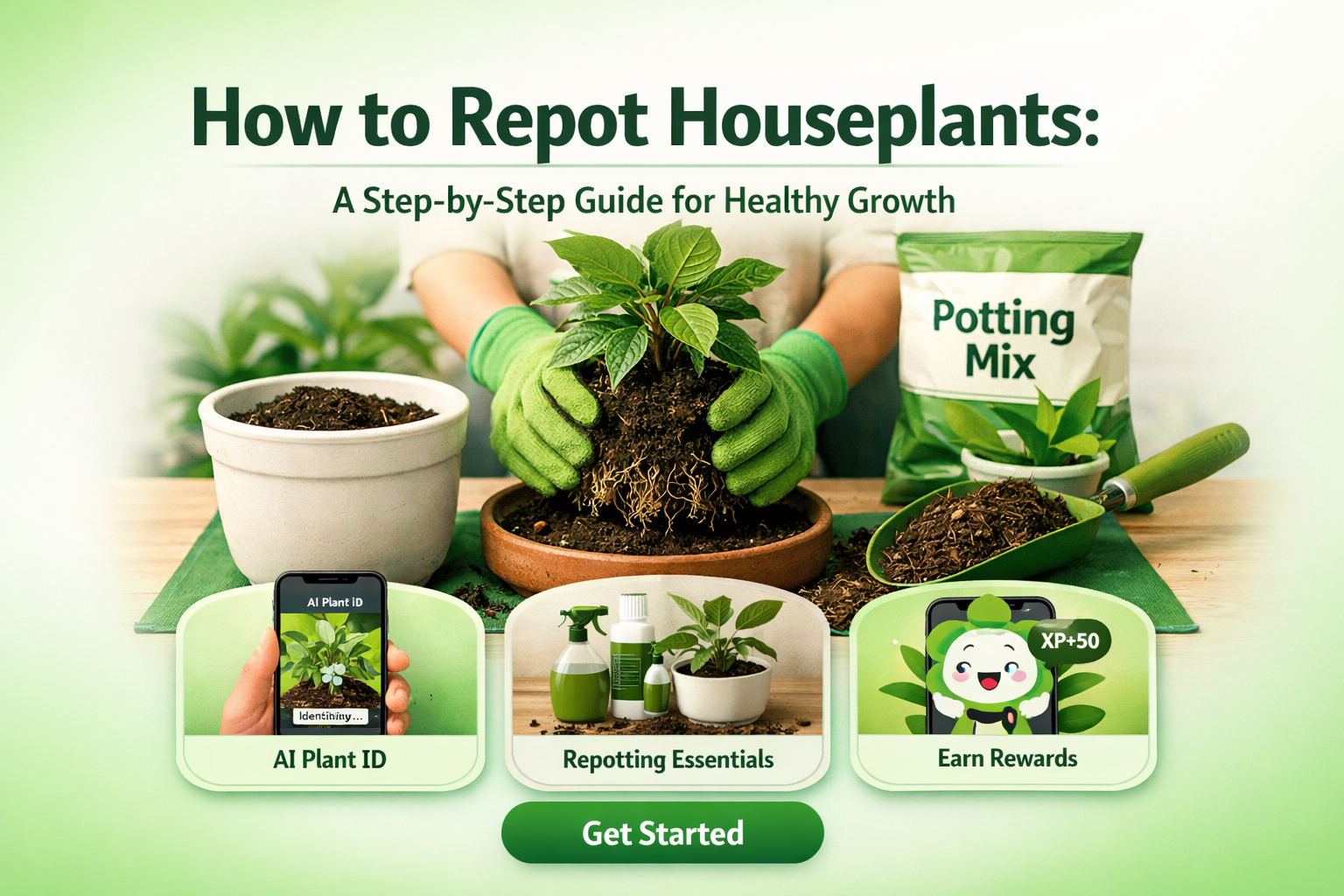
Are your once vibrant houseplants looking a little… tired? Perhaps their growth has slowed, their leaves are yellowing, or you spot roots escaping the drainage holes like tiny adventurers. These are all tell-tale signs that your beloved green companions might be "root-bound" and desperately need a new home. Learning how to repot houseplants is one of the most fundamental skills for any plant parent, crucial for promoting continued health, vigorous growth, and preventing common issues.
Repotting provides your plant with fresh nutrients, more space for root development, and an opportunity to refresh tired soil. It’s a vital refresh that can prevent stunted growth, nutrient deficiencies, and even root rot. This comprehensive plant repotting guide will walk you through every step of the process, from recognizing the right time to repot to ensuring your plant thrives in its new environment. We'll cover everything you need to know to confidently give your houseplants the space and resources they need to flourish.
By the end of this guide, you’ll be equipped with the knowledge and confidence to tackle repotting like a seasoned pro, ensuring your indoor garden remains lush and beautiful. Get ready to revitalize your plant collection and watch them reach their full potential!
When Is It Time to Repot Your Houseplant?
One of the most common questions new plant parents ask is, "When should I repot my plant?" The answer isn't a fixed calendar date, but rather a keen observation of your plant's signals. Recognizing these signs is the first crucial step in any successful repotting endeavor. Ignoring these cues can lead to a stressed, unhealthy, and even dying plant.
Signs Your Plant Needs a New Home
Your plant communicates its needs in various ways. The most obvious sign that your plant is root-bound is when you see roots emerging from the drainage holes at the bottom of its pot, or even growing on the soil surface. If you gently slide the plant out of its pot, you might observe a dense, tangled mass of roots circling the root ball, with very little visible soil. This is a clear indication that the roots have exhausted their current space and are literally choking themselves.
Beyond visible roots, consider changes in your plant's overall health and growth patterns. Stunted growth, despite adequate light and water, can mean the roots no longer have room to expand and absorb nutrients efficiently. Similarly, if your plant seems to dry out much faster than usual, requiring more frequent watering, it's likely because there's more root than soil to hold moisture. Yellowing leaves, a general lack of vigor, or a top-heavy plant that constantly tips over can also signal that it's time for an upgrade. Don't let your plant suffer in an overcrowded home! For more insights into troubleshooting plant problems, check out our Houseplant Troubleshooting: Common Issues & Quick Fixes.
The Seasonal Sweet Spot
While you can repot a plant at any time if it's in distress, there are ideal periods that minimize stress and maximize success. The best time to repot most houseplants is during their active growing season, typically in late winter or early spring. This timing allows the plant to quickly recover from the repotting process and put its energy into new root and foliage growth. During this period, plants are naturally more resilient and can adapt to their new environment more easily.
Repotting during the dormant season (fall or winter) can be more stressful for the plant, as it won't have the energy reserves to heal and establish itself quickly. However, if your plant is severely root-bound or showing significant signs of decline, don't wait for spring. An emergency repot is always better than letting your plant suffer. Aim to repot young, fast-growing plants every 1-2 years, while older, slower-growing specimens might only need repotting every 3-5 years, or even longer. Always prioritize your plant's individual needs over a rigid schedule.
Gathering Your Tools: What You'll Need
Before you dive into the repotting process, having all your materials ready will make the experience smoother and less stressful for both you and your plant. A well-prepared workspace ensures efficiency and minimizes the risk of damage. Think of it as preparing a surgical suite for your green patient!
Choosing the Right Planter
Selecting the correct new pot is paramount. Generally, you'll want to choose a pot that is one size larger than the current one – typically 1-2 inches (2.5-5 cm) wider in diameter. For example, if your plant is in a 6-inch pot, move it to an 8-inch pot. Going too large too quickly can lead to overwatering, as the excess soil retains moisture for too long, increasing the risk of root rot. Ensure the new pot has drainage holes; this is non-negotiable. Proper drainage is vital for preventing waterlogged soil and promoting healthy root development.
When it comes to material, plastic pots are lightweight and retain moisture longer, making them good for plants that prefer consistent dampness. Terracotta pots are porous, allowing for better airflow and faster drying, ideal for plants that prefer their soil to dry out between waterings, or for those prone to overwatering. Ceramic pots offer aesthetic appeal but can be heavy and may not always have adequate drainage. For a deeper dive into pot selection, consult our guide on Choosing the Right Planter: Material, Size, & Drainage Guide.
The Importance of Fresh Soil
The quality and type of your potting mix are just as important as the pot itself. Do not reuse old potting mix, as it's likely depleted of nutrients and may harbor pests or diseases. Always opt for fresh, high-quality potting mix formulated for houseplants. Different plants have different soil requirements. A general all-purpose potting mix works for many plants, but succulents and cacti will need a fast-draining, sandy mix, while ferns and other moisture-loving plants might benefit from a mix with more peat moss or coco coir.
Fresh potting mix provides essential nutrients, improves aeration, and offers better drainage and moisture retention capabilities than old, compacted soil. It’s the foundation for your plant's future health, so invest in a good quality product. Consider adding perlite or vermiculite to improve drainage or water retention, respectively, depending on your plant's specific needs.
Essential Repotting Accessories
Beyond the pot and soil, a few other tools will prove indispensable:
- Gloves: Protect your hands from dirt, thorns, and potential irritants.
- Small Trowel or Spade: Essential for scooping soil and loosening the plant.
- Pruners or Scissors: Sterilized pruners are needed for trimming any dead or diseased roots, or for snipping away excess foliage if your plant experiences shock.
- Watering Can: For pre-repotting and post-repotting hydration.
- Newspaper or Tarp: To protect your work surface from soil spills.
- Damp Cloth: For wiping down leaves and cleaning up.
Having everything laid out and ready before you begin will minimize stress, keep your workspace tidy, and make the repotting process a smooth and enjoyable experience. For all your plant care needs, including quality tools and potting mixes, be sure to Shop Curated Plant Care Products: Everything Your Plants Need in One Place.
The Repotting Process: Gentle Steps for Success
Now that you've gathered your tools and understood the "why" and "when," it's time for the main event: actually repotting your houseplant. The key here is gentleness and careful handling, ensuring minimal stress on your plant.
Prepping for the Move
Start by watering your plant thoroughly a day or two before repotting. This makes the soil cohesive, reducing the chances of the root ball crumbling during removal, and ensures the plant is well-hydrated to withstand the mild shock of repotting. Prepare your new pot by placing a layer of fresh potting mix at the bottom. The depth of this layer depends on the size of your plant's root ball; you want the top of the root ball to be about 1 inch (2.5 cm) below the rim of the new pot, leaving space for watering.
Ensure your workspace is clean and covered with newspaper or a tarp to catch any spilled soil. Have all your tools within easy reach. This preparation phase is crucial for a seamless transition for your plant.
Extracting Your Plant Carefully
This step requires the most finesse. Gently lay the potted plant on its side. For smaller pots, you can hold the base of the stem with one hand, and with the other, carefully slide the pot off. If the pot is rigid or the plant is particularly stubborn, you might need to tap the sides or bottom of the pot to loosen the root ball. Avoid pulling the plant by its stem, as this can severely damage the plant and its delicate root system.
Once the plant is out, carefully inspect the root ball. If the roots are tightly matted and circling, gently tease them apart with your fingers or a small tool. This encourages the roots to grow outwards into the fresh soil rather than continuing to circle. If you find any mushy, dark, or foul-smelling roots, these are signs of root rot and should be carefully pruned away with sterilized scissors. Healthy roots are typically firm and white or light brown.
Planting in Its New Home
With the roots gently loosened, place your plant centrally in the new pot, ensuring it sits at the correct height. The top of the root ball should be level with, or slightly below, the soil line of its original pot, and about an inch below the rim of the new pot. This ensures there's enough space for watering without overflow.
Begin filling the pot with fresh potting mix around the sides of the root ball. Gently tap the pot on your work surface a few times to help the soil settle and remove any large air pockets. Avoid compacting the soil too firmly with your hands, as this can hinder root aeration. Continue adding soil until the pot is filled to the desired level. Once done, give the plant a thorough watering. This helps the soil settle further and makes good contact with the roots, easing the plant into its new environment.
Post-Repotting Care: Helping Your Plant Recover
The repotting process, while beneficial, can be a bit of a shock for your plant. Proper post-repotting care is crucial to help it recover quickly and thrive in its new home. Think of it as a recovery period in the hospital – specialized care makes all the difference.
Immediate Aftercare
Immediately after repotting, give your plant a good drink of water. This helps settle the fresh soil around the roots and provides much-needed hydration. For the first week or two, place your newly repotted plant in a location with bright, indirect light. Avoid direct, intense sunlight, which can stress the plant further during its recovery phase. The plant’s root system needs time to establish itself in the new soil, and direct sun can be too demanding, causing wilting or leaf burn.
Maintain stable temperatures and avoid drastic environmental changes during this recovery period. High humidity can also be beneficial, especially for tropical plants, as it reduces transpiration and lessens the burden on the developing root system. You can achieve this with a humidifier or by placing the plant near a pebble tray.
Monitoring for Repotting Shock
It's common for plants to experience a temporary period of "repotting shock." This might manifest as wilting, yellowing of lower leaves, or even some leaf drop. Don't panic! This is often a normal reaction as the plant adjusts its root system to the new environment and repairs any minor root damage incurred during the process.
Continue to monitor your plant closely. Ensure the soil remains consistently moist but not waterlogged. Overwatering during this delicate period can be detrimental. Avoid fertilizing immediately after repotting, as the fresh potting mix should contain enough nutrients for several weeks. Introducing fertilizer too soon can burn sensitive, recovering roots. If wilting persists despite adequate watering, consider pruning back some of the foliage. This reduces the plant's demand for water, allowing the roots to catch up. For practical advice on optimal watering, refer to our Watering Your Plants: The Ultimate Guide for Beginners.
Resuming Routine Care
Once your plant shows signs of new growth – perhaps a new leaf unfurling or existing leaves perking up – you can gradually transition it back to its usual spot and resume its normal care routine. This typically takes anywhere from two to four weeks.
Begin to fertilize only after this initial recovery period, usually 4-6 weeks post-repotting, to give the new roots time to fully establish themselves. Always follow the fertilizer's instructions and start with a diluted solution to avoid overwhelming your plant. Our guide on Fertilizing Houseplants: What, When, and How Much offers detailed advice on this. Continue to observe your plant's unique needs, and you'll soon see it thriving in its rejuvenated state. Consistent care and attention will ensure your repotted houseplant enjoys a long and healthy life.
Frequently Asked Questions About Repotting Houseplants
Q1: Can I repot any time of year?
While you can technically repot at any time if your plant is in distress, the best time is during its active growing season (late winter to early summer). This allows the plant to recover faster. Avoid repotting in deep winter unless absolutely necessary.
Q2: How much bigger should the new pot be?
Generally, choose a pot that is only 1-2 inches (2.5-5 cm) larger in diameter than the current one. Going too large can lead to excess soil moisture and increase the risk of root rot.
Q3: What if my plant goes into shock after repotting?
Repotting shock (wilting, yellowing leaves) is common. Provide bright, indirect light, consistent but not excessive moisture, and avoid fertilizing for a few weeks. Maintain high humidity if possible. Give it time; most plants recover well.
Q4: Do I need to fertilize right after repotting?
No, it's best to wait 4-6 weeks after repotting before fertilizing. Fresh potting mix usually contains enough nutrients for this period, and fertilizing too soon can burn sensitive, recovering roots.
Conclusion
Repotting your houseplants might seem daunting at first, but with a clear understanding of the signs, proper tools, and a gentle approach, it becomes a straightforward and incredibly rewarding aspect of plant care. You're not just moving a plant; you're giving it a new lease on life, providing the space and nutrients it needs to flourish. Learning how to repot houseplants correctly ensures your green companions remain vibrant, healthy, and a source of joy in your home for years to come.
Remember to listen to your plants, observe their growth, and trust the process. The satisfaction of seeing a once-struggling plant thrive after a successful repot is unparalleled. For ongoing support in your plant care journey, from identifying plant needs to personalized care schedules and helpful tools, consider exploring BenePlant: Your Ultimate AI-Powered Plant Care Companion App. With the right knowledge and tools, you can cultivate a truly magnificent indoor garden. Happy repotting!
Share this article