Blog Article
Why Are My Houseplant Leaves Turning Yellow? Diagnose & Fix It!
Is your houseplant's vibrant green turning sickly yellow? Learn why your houseplant leaves are yellowing and get practical tips to diagnose, treat, and prevent common issues like overwatering symptoms, nutrient deficiency, and more with BenePlant's guide.
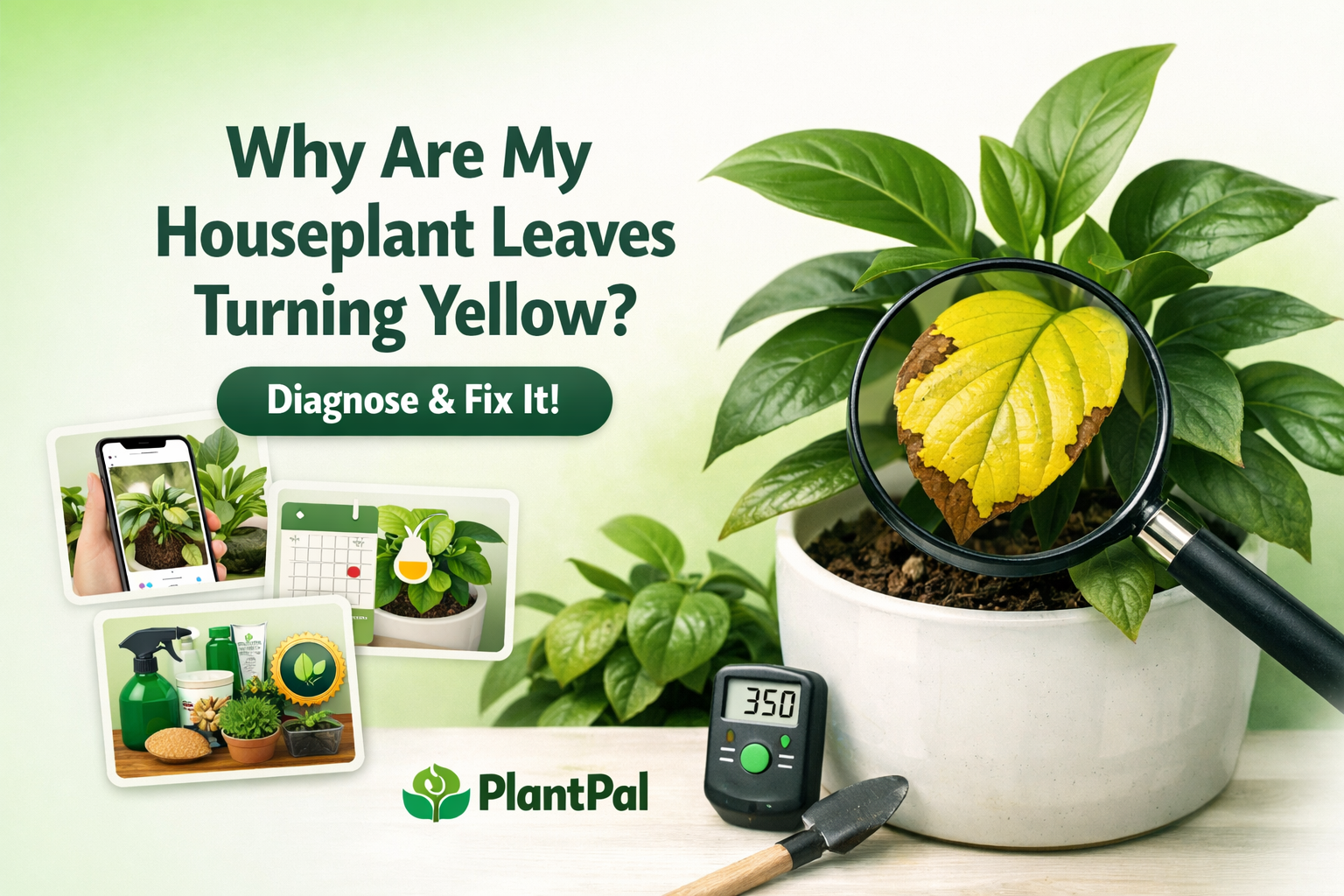
Few things are as disheartening to a plant parent as seeing their once-vibrant green houseplant leaves turning yellow. Whether it's a single leaf or an entire section, yellowing foliage is your plant's way of telling you something is wrong. It’s a common houseplant troubleshooting challenge, often leading to confusion and frustration, especially for beginners. The good news is that understanding why your houseplant leaves are yellowing is the first crucial step to bringing your leafy friend back to health.
This comprehensive guide will demystify the various reasons behind yellow leaves, from common culprits like watering issues and nutrient deficiencies to less obvious environmental stressors. We’ll provide a clear, step-by-step diagnostic process to help you pinpoint the exact problem affecting your plant. More importantly, we’ll equip you with actionable solutions and preventative measures to keep your houseplants thriving and their foliage a lush, healthy green. Get ready to turn that yellow into emerald!
Decoding Yellow Leaves: A Common Houseplant Mystery
Yellowing leaves, scientifically known as chlorosis, occur when leaves don't produce enough chlorophyll – the green pigment essential for photosynthesis. Without sufficient chlorophyll, leaves lose their vibrant color and eventually wilt and drop. This isn't a disease in itself but rather a symptom of an underlying problem. Just like a headache can indicate many different issues, yellow leaves are a universal distress signal from your plant.
The pattern of yellowing can often provide critical clues. Are all leaves turning yellow, or just the older ones at the bottom? Is the yellowing uniform across the leaf, or are only the veins or edges affected? Observing these details carefully will significantly aid your diagnostic process. Understanding these patterns is key to effective houseplant troubleshooting.
For instance, yellowing on older leaves might indicate a mobile nutrient deficiency or natural aging, while new leaves turning yellow could point to a different problem entirely, such as iron deficiency. Sometimes, the yellowing can be accompanied by other symptoms like crispy edges, droopiness, or spots. The more details you collect, the easier it will be to identify the root cause and apply the correct fix.
Top Causes: From Water Woes to Nutrient Needs
Several factors can lead to your houseplant's leaves turning yellow. Pinpointing the exact cause often involves a bit of detective work, as many symptoms can overlap. Here are the most common culprits:
1. Water Woes: Overwatering and Underwatering
This is by far the most frequent reason for yellowing leaves. Both extremes can cause stress, but they manifest differently:
- Overwatering Symptoms: This is typically characterized by leaves turning yellow and feeling soft or mushy. The soil often remains soggy for too long, leading to root rot. When roots are deprived of oxygen, they can't absorb water and nutrients, causing the leaves to yellow and eventually die. Often, older leaves at the bottom of the plant will yellow first.
- Underwatering Symptoms: Leaves may turn yellow, but they will often feel crispy and dry, sometimes with brown edges. The plant might also look droopy and generally withered. The soil will be bone dry. While plants can recover from short periods of underwatering, prolonged drought causes severe stress.
Solution: Check soil moisture regularly. Stick your finger two inches deep; if it's wet, wait to water. If it's bone dry, water thoroughly. Consider using a moisture meter for accuracy. AI Plant Identification & Smart Watering Schedules: Never Guess Again! can help you set up automated, personalized watering reminders based on your plant's specific needs, preventing both over and under-watering.
2. Nutrient Deficiencies
Plants need a balanced diet of macro and micronutrients to stay healthy. A lack of essential nutrients can lead to yellowing:
- Nitrogen Deficiency: Often causes older, lower leaves to turn uniformly yellow, sometimes with the veins remaining green initially. Nitrogen is crucial for chlorophyll production.
- Iron Deficiency: Typically affects younger leaves, causing them to yellow while the veins remain green (interveinal chlorosis).
- Magnesium Deficiency: Similar to iron, but often affects older leaves first, with yellowing between the veins.
Solution: Fertilize your plants regularly during the growing season (spring and summer) with a balanced houseplant fertilizer. Always follow package directions and avoid over-fertilizing, which can also harm roots. For a deeper dive, read our guide on Fertilizing Houseplants: What, When, and How Much.
3. Insufficient or Excessive Light
Light is food for plants, and the wrong amount can cause issues:
- Too Little Light: Leaves may turn pale yellow and look stretched or leggy as the plant struggles to find light. This often affects lower, older leaves first.
- Too Much Light (Sunburn): Direct, intense sunlight can scorch leaves, causing them to yellow, fade, or develop brown spots. This is common for plants suddenly moved from a shadier spot to a bright window.
Solution: Research your plant's specific light requirements. Move plants to a brighter or shadier location as needed. Use a light meter tool, like the one built into BenePlant, to Master Light & Moisture: BenePlant's Built-in Tools for Healthy Growth and find the perfect spot. If natural light is limited, consider using Grow Lights for Houseplants: Your Complete Guide & Product Picks.
4. Temperature and Humidity Stress
Indoor environments aren't always ideal for plants:
- Temperature Extremes: Sudden drops or spikes in temperature, or placement near drafty windows/vents, can shock plants, leading to yellowing.
- Low Humidity: Many tropical houseplants thrive in high humidity. Dry air can cause leaf tips and edges to turn yellow or brown and become crispy.
Solution: Maintain a consistent temperature range (generally 65-75°F / 18-24°C) and keep plants away from direct drafts. Increase humidity with a humidifier, pebble tray, or by grouping plants together.
5. Pests and Diseases
Uninvited guests can also cause yellowing:
- Pests: Sucking insects like spider mites, aphids, mealybugs, and thrips feed on plant sap, draining nutrients and causing leaves to yellow, often with stippling or distorted growth.
- Diseases: Fungal or bacterial infections can cause various leaf discoloration patterns, including yellowing, spots, or blight.
Solution: Inspect your plants regularly for signs of pests. If detected, isolate the plant and treat it with insecticidal soap or neem oil. For diseases, pruning affected parts and improving air circulation can help. Consult our guide on Indoor Plant Pest Control: Identify, Treat, & Prevent Common Invaders for detailed solutions.
6. Natural Aging (Senescence)
Sometimes, yellowing is perfectly normal. As plants grow, older leaves at the bottom naturally yellow and drop off to make way for new growth. This is especially true for rapidly growing plants.
Solution: If only a few old leaves are yellowing, and the rest of the plant appears healthy and is producing new growth, there's likely no cause for concern. Simply prune the yellow leaves off.
Step-by-Step Diagnostic & Treatment Plan
When you spot a yellow leaf, don't panic! Follow these steps to become a plant detective:
Observe the Pattern:
- Which leaves are yellowing? Older, lower leaves? New growth? All over?
- Is it uniform yellowing, or just between veins (interveinal)?
- Are there other symptoms? Drooping, crispy edges, spots, sticky residue, tiny bugs?
Check the Soil Moisture:
- Stick your finger about 2 inches deep into the soil. Is it soggy, slightly moist, or bone dry? This is your biggest clue for watering issues.
- Soggy: Likely overwatering.
- Bone Dry: Likely underwatering.
Inspect for Pests:
- Look closely at the top and underside of leaves, stems, and soil for any tiny bugs, webbing, or sticky residue. A magnifying glass can be helpful.
Assess Light Conditions:
- Is the plant getting too much direct sun, or is it in a perpetually dim corner?
- Consider your plant's specific light needs.
Evaluate Environmental Factors:
- Is the plant near a drafty window, heating/AC vent, or a significant temperature fluctuation?
- Is the air particularly dry?
Consider Fertilization History:
- When was the last time you fertilized? Are you fertilizing too often or not enough?
Treatment Based on Diagnosis:
- Overwatering: Immediately stop watering. If the soil is severely waterlogged, gently remove the plant from its pot, inspect roots (trim any mushy, black roots), and repot into fresh, dry, well-draining soil. Ensure the pot has drainage holes.
- Underwatering: Give the plant a thorough soak. Place the pot in a sink or tub of water for 30 minutes to allow the soil to rehydrate from the bottom up.
- Nutrient Deficiency: Begin a regular fertilization schedule with a balanced liquid houseplant fertilizer. Consider a slow-release granular fertilizer for sustained feeding.
- Light Issues: Move the plant to a more appropriate location. For low light, supplement with grow lights. For too much light, move it further from the window or use sheer curtains.
- Pests: Treat with appropriate organic pesticides like neem oil or insecticidal soap. Repeat treatment as necessary.
- Temperature/Humidity Stress: Move the plant to a stable environment. Increase humidity using a humidifier or pebble tray.
- Natural Aging: Simply prune off the yellow leaves.
For any persistent issues or if you're unsure, our general Houseplant Troubleshooting: Common Issues & Quick Fixes guide can offer more in-depth solutions.
Preventing Yellow Leaves: Healthy Habits for Your Plants
Prevention is always better than cure. By adopting consistent, thoughtful plant care practices, you can significantly reduce the chances of your houseplant leaves turning yellow.
- Know Your Plant's Needs: This is paramount. Every plant is unique. Research its specific requirements for light, water, humidity, and temperature. BenePlant: Your Ultimate AI-Powered Plant Care Companion App can help you identify your plants and provide personalized care guides.
- Consistent Watering Routine: Don't water on a fixed schedule, but rather based on the soil's moisture level. Use the "finger test" or a moisture meter. Ensure your pots have drainage holes to prevent waterlogging.
- Provide Adequate Light: Match your plant to the right light conditions in your home. Rotate your plants occasionally to ensure even light exposure.
- Regular Fertilization: Feed your plants during their active growing seasons (spring and summer) with a balanced houseplant fertilizer. Always dilute it according to package instructions to avoid root burn.
- Maintain Good Air Circulation & Humidity: Ensure good airflow around your plants to prevent fungal issues. For humidity-loving plants, mist regularly, use a pebble tray, or invest in a small humidifier.
- Regular Pest Checks: Make it a habit to inspect your plants weekly for any signs of pests. Early detection makes treatment much easier.
- Appropriate Potting: Use pots that are the right size for your plant and made of materials that suit its needs (e.g., terracotta for plants that prefer drier soil). Always use a high-quality, well-draining potting mix.
- Repot When Necessary: As plants grow, they can become root-bound, which can inhibit nutrient uptake and lead to stress. Repot into a slightly larger pot when roots start circling the bottom or growing out of drainage holes.
By incorporating these practices into your plant care routine, you'll be well on your way to a thriving indoor jungle free of yellow leaves.
Plant Parent FAQ: Your Most Common Houseplant Questions Answered
Q: Should I remove yellow leaves?
A: Yes, once a leaf has turned yellow, it won't revert to green. Removing it helps the plant conserve energy by not trying to sustain a dying leaf, and it also improves the plant's aesthetic. Use clean, sharp pruning shears or your fingers.
Q: Can yellow leaves turn green again?
A: Unfortunately, no. Once the chlorophyll has broken down and the leaf has yellowed, that process is irreversible. The goal is to identify and fix the underlying problem to prevent new leaves from yellowing and existing green leaves from turning.
Q: What's the difference between yellowing from overwatering vs. underwatering?
A: Overwatering: Leaves often turn yellow and feel soft or mushy, sometimes with brown tips. The soil is usually wet. Older, lower leaves are typically affected first. Underwatering: Leaves turn yellow, feel dry and crispy, and the plant may droop. The soil is bone dry.
Q: My new plant's leaves are turning yellow. What's wrong?
A: New plants often experience transplant shock or acclimatization stress when moved to a new environment. This is very common. Ensure it's getting appropriate light and water, and avoid fertilizing for the first few weeks. If yellowing persists, refer to the diagnostic steps above.
Conclusion
Yellowing leaves might seem like a daunting problem, but with a keen eye and a bit of detective work, you can usually identify the cause and nurse your plant back to health. Remember, yellow leaves are a symptom, not a disease, and your plant is simply communicating its needs. By understanding the common culprits—from watering woes and nutrient deficiencies to light, temperature, and pest issues—you can confidently diagnose and apply the right treatment.
Adopting healthy, consistent plant care habits is your best defense against yellow foliage. Regular checks, appropriate watering, adequate light, and proper nutrition are the foundations of a thriving indoor garden. Don't let yellow leaves discourage you! With the insights from this guide, you're now better equipped for effective houseplant troubleshooting. Ready to take your plant parenting to the next level? Discover how BenePlant can simplify your plant care journey with AI identification, smart reminders, and built-in light and moisture tools.
Share this article