Blog Article
Grow Lights for Houseplants: Your Complete Guide & Product Picks
Illuminate your indoor jungle! Discover why grow lights for houseplants are essential, how to choose the best ones, and find top-rated picks to help your plants thrive, even in low-light conditions.
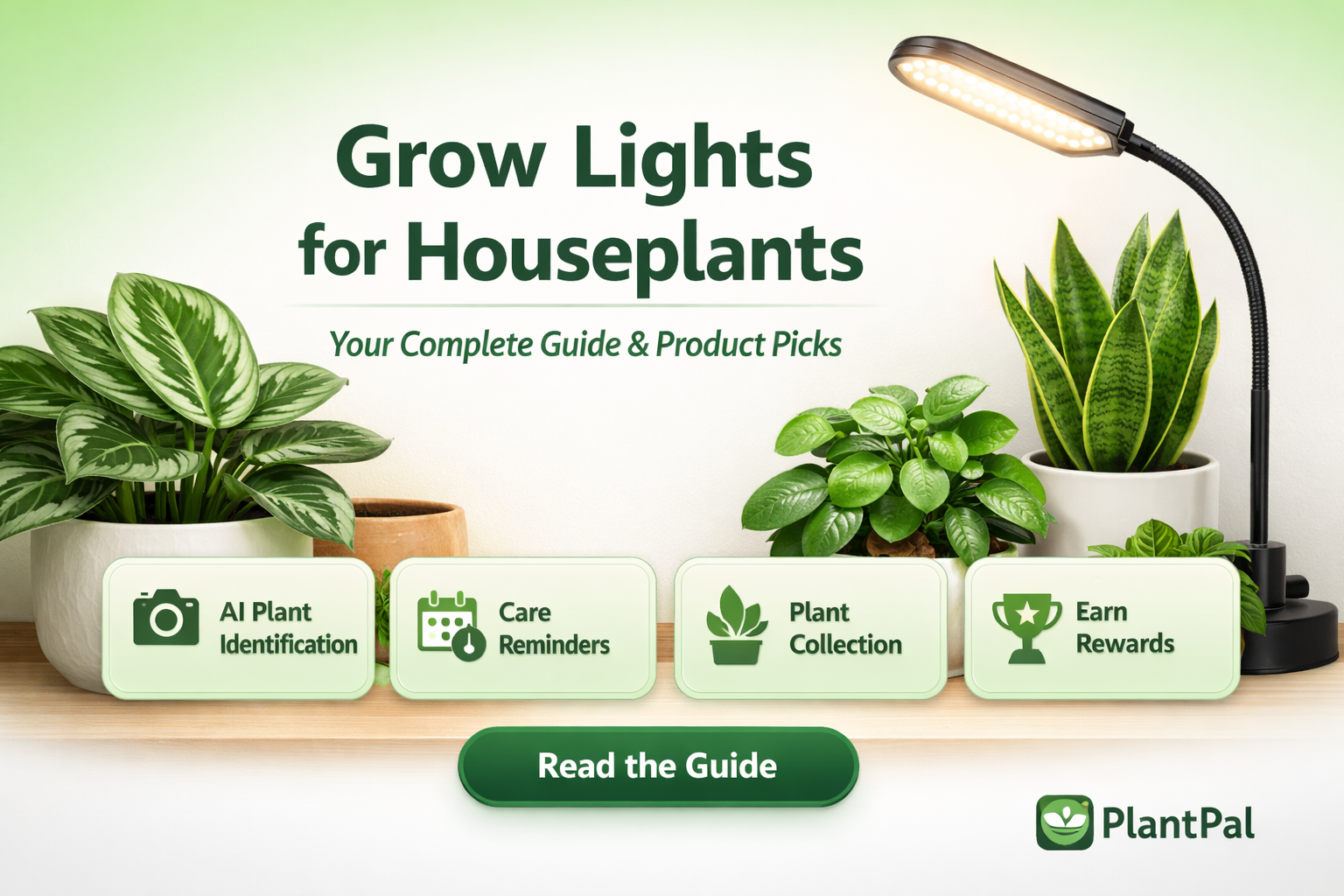
Do your beloved houseplants seem to be struggling, even with your diligent care? Perhaps their leaves are pale, growth is stunted, or they just look a bit sad? The culprit might not be your watering habits or fertilizer schedule, but rather a lack of adequate light. While sunlight is ideal, not all homes or apartments offer the bright, consistent illumination our leafy friends need to flourish. This is where grow lights for houseplants become a game-changer for indoor plant enthusiasts.
Many beginner and intermediate plant owners overlook the crucial role of light, often placing plants based purely on aesthetics rather than their specific light requirements. This oversight can lead to a host of problems, from leggy growth to an increased susceptibility to pests and diseases. Fortunately, modern grow lights offer a convenient and effective solution, mimicking natural sunlight to support healthy photosynthesis and vibrant growth, regardless of your home's natural light conditions.
This comprehensive guide will illuminate the world of grow lights, helping you understand their importance, choose the right type for your specific needs, and discover top-rated product picks available in the BenePlant shop. By the end, you'll be equipped to provide your indoor jungle with the essential light it craves, ensuring your plants don't just survive, but truly thrive. Let's shed some light on the subject and transform your plant care routine!
Understanding Grow Lights: Why Your Plants Need Them
Plants, much like humans, have fundamental needs, and light sits at the very top of that list. Unlike us, however, plants don't just 'see' light; they use it as an energy source through a process called photosynthesis. During photosynthesis, plants convert light energy, carbon dioxide, and water into glucose (food) and oxygen. Without sufficient light, this critical process slows down or stops altogether, leading to a decline in plant health.
Indoor environments, even those with bright windows, often fall short of providing the intensity and duration of light that many houseplants require. Factors like window orientation, season, proximity to the window, and obstructions (trees, buildings) drastically reduce the available light. Signs your plants might be suffering from insufficient light include:
- Leggy growth: Stems stretching out, looking thin and weak as the plant tries to reach for more light.
- Small, pale leaves: New leaves are often smaller and lighter in color than older ones.
- Lack of variegation: Variegated plants may lose their distinct patterns.
- Failure to bloom: Flowering plants won't produce buds or flowers.
- Dropping leaves: Especially lower leaves, as the plant sacrifices older growth to conserve energy.
- Stunted growth: The plant simply doesn't grow much, or at all.
Grow lights are designed to supplement or replace natural sunlight, providing the necessary light spectrum and intensity for healthy plant development. They emit light in specific wavelengths that plants utilize for photosynthesis, primarily in the blue and red regions of the spectrum. Blue light encourages vegetative growth (leaves and stems), while red light promotes flowering and fruiting. Full-spectrum grow lights aim to replicate the entire natural sunlight spectrum, making them suitable for all stages of plant growth. Understanding these fundamental principles is the first step in unlocking your plants' full potential with the aid of grow lights.
Choosing the Right Grow Light for Your Space
Selecting the perfect grow light isn't a one-size-fits-all endeavor. It depends on several factors, including the types of plants you have, the size of your space, your budget, and your aesthetic preferences. Making an informed decision ensures your investment pays off in flourishing foliage.
Types of Grow Lights
- LED Grow Lights (Light Emitting Diodes): These are the most popular choice for home growers due to their energy efficiency, long lifespan, and ability to emit specific light spectrums. They produce very little heat, making them safe for close placement to plants. You'll find them in various forms, from small clip-on lamps to larger panels.
- Fluorescent Grow Lights (T5, T8): Once a staple, fluorescents are still a good, affordable option for seedlings, young plants, or those with low to medium light needs. They are more energy-efficient than older incandescent bulbs but less so than LEDs, and they produce more heat.
- HID Grow Lights (High-Intensity Discharge): These include Metal Halide (MH) and High-Pressure Sodium (HPS) lights. While extremely powerful and efficient for large-scale growing operations, they generate significant heat, consume a lot of energy, and are generally overkill for typical indoor houseplants.
For most indoor plant enthusiasts, LED grow lights are the superior choice, offering the best balance of performance, efficiency, and flexibility.
Understanding Light Spectrum and Intensity
- Light Spectrum: Look for "full-spectrum" grow lights, which provide a balanced range of light wavelengths mimicking natural sunlight. Some lights might have a reddish or purplish hue, indicating a focus on red and blue light, which is also effective but may not be as aesthetically pleasing in a living space.
- Intensity (PPFD/PAR): Photosynthetically Active Radiation (PAR) refers to the light wavelength range that plants use for photosynthesis. PPFD (Photosynthetic Photon Flux Density) measures the number of photons within the PAR range that hit a surface per second. For practical purposes, as an indoor gardener, you don't need to get bogged down in complex calculations, but generally, more intense lights are better for high-light plants (like succulents or flowering plants) and can be placed further away, while lower intensity lights are good for low-light plants or when placed closer. You can even use a Light Meter Tool (like BenePlant's built-in feature!) or an app to gauge ambient light levels and help determine the best placement. For more details on light and moisture, check out Master Light & Moisture: BenePlant's Built-in Tools for Healthy Growth.
Placement and Duration
Position your grow light based on the plant's light needs and the light's intensity. Generally, 6-12 inches above the plant canopy is a good starting point for most LED grow lights. Plants typically need 10-16 hours of light per day, followed by a period of darkness (important for plant respiration). A simple timer can automate this process.
Consider your personal setup. Do you need a sleek, subtle bar light for a shelf, a powerful panel for a dedicated plant corner, or a convenient clip-on light for a single struggling plant? Factor in how the light will integrate into your home's decor.
Top-Rated Grow Lights in the BenePlant Shop
Once you understand the basics, the next step is finding a reliable, effective grow light. The BenePlant shop takes the guesswork out of product selection by offering a curated collection of high-quality plant care products, including a variety of grow lights designed to meet different needs and budgets. We've hand-picked items that blend efficiency with aesthetics, ensuring your plants get the light they need without compromising your home's style.
When browsing the Shop Curated Plant Care Products: Everything Your Plants Need in One Place, consider these types of grow lights, all chosen for their performance and suitability for indoor plant enthusiasts:
- Clip-On Grow Lights: Perfect for individual plants or small spaces. These versatile lights can attach to shelves, desks, or pots, providing targeted illumination. Many come with flexible goosenecks, allowing you to precisely direct the light where it's most needed. They are often full-spectrum LEDs and are excellent for boosting light for specific plants or for use in propagation stations.
- LED Grow Light Strips/Bars: Ideal for shelving units or creating a subtle, integrated lighting solution. These slim lights can be mounted under shelves, providing uniform light across an entire row of plants. They are discreet and effective, often available in various lengths to fit your setup.
- Panel Grow Lights: For a more dedicated plant area or a larger collection, LED grow light panels offer broad, powerful coverage. While some larger panels might be more industrial-looking, many modern designs are compact and sleek enough for home use, often featuring dimming functions and timers.
- Floor Standing Grow Lamps: These stylish options double as decor, resembling modern floor lamps but with integrated full-spectrum LED grow light bulbs. They are perfect for illuminating larger plants or a cluster of plants in a living room, blending seamlessly with your interior design.
Each product in the BenePlant shop includes detailed descriptions, specifications, and recommendations to help you make the best choice. Whether you're nurturing delicate seedlings, encouraging a finicky alocasia, or trying to get your monstera to size up, you'll find a grow light that fits the bill. Investing in a quality grow light from our curated selection is an investment in the health and vitality of your indoor garden.
Frequently Asked Questions About Grow Lights
Q1: How long should I leave my grow lights on for my houseplants?
A1: Most houseplants benefit from 10-16 hours of light per day, followed by 8-14 hours of darkness. The exact duration depends on the plant species and the intensity of your grow light. It's crucial to provide a period of darkness for plants to carry out their essential respiratory processes.
Q2: Do all houseplants need grow lights?
A2: Not necessarily. If your plants are thriving in a location with abundant natural light (e.g., a south-facing window with direct sun for several hours), they might not need supplementary grow lights. However, for plants in low-light conditions, during darker winter months, or for specific high-light demanding plants, grow lights can be incredibly beneficial or even essential.
Q3: What kind of light spectrum is best for houseplants?
A3: Full-spectrum LED grow lights are generally best for houseplants. They mimic natural sunlight, providing a balanced range of red, blue, and green wavelengths that support all stages of plant growth, from vegetative development to flowering.
Q4: Will grow lights increase my electricity bill significantly?
A4: Modern LED grow lights are very energy-efficient. While there will be a modest increase in your electricity bill, it's typically not significant, especially compared to older HID lights. The cost is often a small price to pay for healthy, thriving plants, especially if you use a timer to ensure they're only on for the necessary duration.
Q5: How far away should a grow light be from my plants?
A5: The ideal distance depends on the light's intensity and the plant's needs. For most common LED grow lights, a distance of 6-12 inches above the plant canopy is a good starting point. If leaves show signs of scorching or bleaching, move the light further away. If growth is still leggy, move it closer.
Conclusion
Providing adequate light is arguably the most critical factor in successful indoor plant care, and grow lights offer a powerful solution to overcome the limitations of natural light. By understanding why plants need light, how different grow lights function, and how to choose the right one for your setup, you're empowering your indoor garden to reach its full potential. From combating leggy growth to encouraging vibrant foliage and blooms, the right grow light can truly transform your plant-parenting journey.
Don't let dim corners or short winter days deter you from cultivating the lush indoor oasis you've always dreamed of. Explore the thoughtfully curated selection of grow lights in the BenePlant shop, along with other essential best plant care products, and give your plants the gift of light. And remember, successful plant care goes beyond just light. With BenePlant, you gain a complete AI-powered companion to guide you, offering everything from plant identification to personalized care schedules. BenePlant: Your Ultimate AI-Powered Plant Care Companion App makes plant care intuitive and rewarding.
Ready to provide your plants with everything they need to thrive? Unlock premium features today and watch your plants flourish with BenePlant's advanced tools! Explore Subscription Plans.
Share this article