Blog Article
Indoor Plant Pest Control: Identify, Treat, & Prevent Common Invaders
Struggling with houseplant pests? Learn effective indoor plant pest control: identify common invaders like aphids & spider mites, treat them with natural remedies, and prevent their return. Keep your plants thriving!
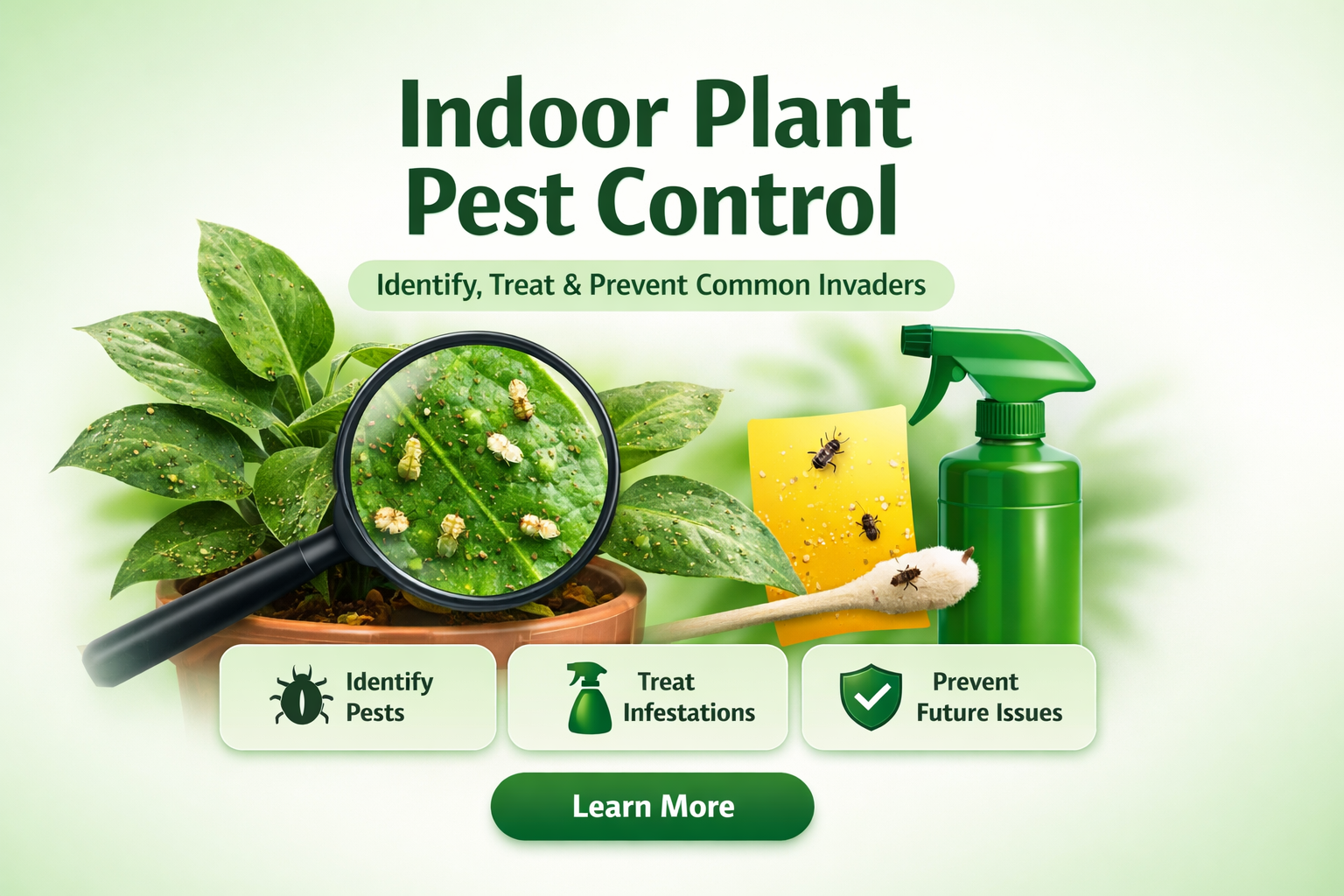
Few things are as disheartening to a proud plant parent as discovering unwelcome guests feasting on their beloved green companions. Indoor plant pest control is a critical skill for any houseplant enthusiast, especially if you want your leafy friends to truly thrive. Whether you're a seasoned gardener or just starting your journey into the world of houseplants, encountering pests is almost inevitable. The good news is that most common houseplant pests are manageable with the right knowledge and tools.
This comprehensive guide will walk you through everything you need to know about keeping your indoor plants pest-free. We'll help you identify the most common invaders, understand their tell-tale signs, and provide effective treatment options – from gentle, natural remedies to more potent solutions when necessary. Most importantly, we'll equip you with preventative strategies to minimize future outbreaks, ensuring your home remains a sanctuary for your plants, not for pests. By the end of this article, you'll feel confident in your ability to protect your plant collection and ensure their long-term health and beauty.
Unwanted Guests: Common Houseplant Pests to Watch For
Before you can tackle a pest problem, you need to know who you're dealing with. Different pests require different approaches, and a misidentification can lead to ineffective treatments or even harm your plants. Here are the most common houseplant pests that might try to make a home in your indoor jungle. Regular, thorough inspections are your first line of defense; if you notice anything unusual, you can even use AI plant identification tools to help pinpoint the issue quickly, like the one offered by BenePlant: Your Ultimate AI-Powered Plant Care Companion App.
Aphids: The Sap Suckers
Aphids are small (1-3mm), soft-bodied insects that come in various colors like green, black, white, or brown. They tend to cluster on new growth, tender stems, and the undersides of leaves, sucking the sap out of your plants. This feeding can cause leaves to curl, yellow, or become distorted. Aphids also excrete a sticky substance called honeydew, which can lead to sooty mold growth. They reproduce rapidly, so early detection is crucial.
Spider Mites: The Tiny Weavers
Often mistaken for dust, spider mites are minuscule arachnids, barely visible to the naked eye. You'll typically notice their presence by the fine, delicate webbing they create, usually on the undersides of leaves or in leaf axils. Infested leaves may develop tiny yellow or white stippling (dots) and eventually turn bronze or yellow and drop off. They thrive in hot, dry conditions, making them a common problem during winter when indoor air is dry.
Mealybugs: The Cottony Menace
Mealybugs are easily identified by their white, cottony, segmented bodies. They often congregate in leaf axils, along stems, and on the undersides of leaves. Like aphids, they feed on plant sap and excrete sticky honeydew, encouraging sooty mold. Mealybugs can cause stunted growth, leaf yellowing, and even plant death if left unchecked. They are particularly fond of succulents and plants with tight crevices.
Fungus Gnats: The Annoying Flyers
These tiny, dark, mosquito-like flies are more of a nuisance to humans than a direct threat to mature plants, but their larvae can be damaging. Fungus gnat larvae live in the top layer of moist soil and feed on decaying organic matter, but if populations are high or soil is too wet, they can damage plant roots, especially on seedlings or young plants. An abundance of adult gnats usually indicates an overly moist soil condition.
Scale Insects: The Armored Invaders
Scale insects appear as small, oval, motionless bumps on stems and leaves. They can be soft-bodied or "armored" with a waxy coating, making them difficult to treat. Like aphids and mealybugs, they feed on plant sap and produce honeydew. Scale can cause leaf yellowing, wilting, and overall decline in plant health. Their protective shell makes them resistant to many topical treatments, requiring persistent effort.
Identify Your Invaders: A Visual Guide & Quick Check
Accurate pest identification is the cornerstone of effective indoor plant pest control. Knowing what signs to look for and where to look can save your plants from significant damage. Regular "plant check-ups" should become a routine part of your plant care. Look closely, and don't be afraid to use a magnifying glass if you suspect tiny culprits like spider mites. For general health checks and troubleshooting common plant issues, you might find our Houseplant Troubleshooting: Common Issues & Quick Fixes guide helpful.
Key Signs and Symptoms by Pest
Aphids:
- Visible insects: Small (1-3mm), pear-shaped, green, black, yellow, brown, or pink; often clustered on new growth or undersides of leaves.
- Plant damage: Distorted, curled, or yellowing leaves; stunted growth.
- Residue: Sticky honeydew on leaves and surfaces below; black sooty mold may grow on honeydew.
- Look for: Ants, which are often attracted to honeydew and may "farm" aphids.
Spider Mites:
- Visible insects: Tiny specks (red, brown, or clear) moving on leaf undersides, often requiring a magnifying glass.
- Plant damage: Fine white or yellow stippling (dots) on leaves; bronzing or yellowing leaves; eventual leaf drop.
- Residue: Fine, delicate webbing between leaves and stems, especially in leaf axils or along leaf margins.
- Look for: Dust-like appearance on leaves that wipes off but reappears.
Mealybugs:
- Visible insects: Oval, white, cottony-looking insects, often found in leaf axils, along stems, and on leaf undersides.
- Plant damage: Stunted growth, yellowing leaves, wilting.
- Residue: Sticky honeydew; sooty mold.
- Look for: White, waxy deposits that look like tiny bits of cotton.
Fungus Gnats:
- Visible insects: Small (3-4mm), dark, mosquito-like flies flying around the plant, especially when disturbed, or crawling on the soil surface.
- Plant damage (primarily larvae): Wilting, stunted growth, or yellowing in young plants and seedlings due to root damage. Mature plants are generally tolerant.
- Residue: No specific residue from adults, but larvae may leave slime trails on the soil surface.
- Look for: Adults flying up when watering or disturbing the pot.
Scale Insects:
- Visible insects: Immobile, oval, brown, tan, or black bumps on stems and leaf undersides. May have a waxy or shell-like coating.
- Plant damage: Yellowing leaves, stunted growth, wilting, branch dieback.
- Residue: Sticky honeydew; sooty mold.
- Look for: Small, raised bumps that can be scraped off with a fingernail.
The key to successful identification is thorough observation. Don't just glance at your plants; take the time to inspect them top to bottom, including the undersides of leaves and the soil surface. Early detection drastically improves your chances of eradication and minimizes harm to your precious plants. If you're ever unsure about the health of your plant, tools like BenePlant's AI can often help diagnose issues, whether it's a pest, disease, or care deficiency.
Effective Treatment Options: Organic & Chemical Solutions
Once you've identified your unwelcome guests, it's time to take action. The approach you choose for indoor plant pest control depends on the severity of the infestation, the type of pest, and your personal comfort level with different treatments. Always start with the least toxic options and escalate only if necessary. Before applying any treatment, always test it on a small, inconspicuous part of the plant first to ensure there's no adverse reaction.
Organic and Natural Remedies
These methods are generally safer for you, your pets, and the environment. They are often best for mild to moderate infestations or as part of a regular preventative routine.
- Manual Removal: For small infestations, simply wipe pests off with a damp cloth or cotton swab dipped in rubbing alcohol. You can also dislodge them with a strong spray of water from a hose or kitchen sink (ensure the pot is tilted to prevent overwatering the soil). This is very effective for mealybugs, scale (if soft-bodied), and aphids.
- Insecticidal Soap: This is a fantastic option for soft-bodied pests like aphids, spider mites, and mealybugs. Insecticidal soaps work by breaking down the waxy cuticle of the insect, causing dehydration. You can buy commercial insecticidal soap or make your own by mixing 1-2 teaspoons of mild liquid dish soap (avoid degreasers or antibacterial soaps) with 1 liter of water. Spray thoroughly, ensuring you cover all plant surfaces, especially undersides of leaves. Repeat every 5-7 days until pests are gone.
- Neem Oil: Derived from the neem tree, this natural insecticide and fungicide disrupts insect feeding and growth cycles. Mix pure, cold-pressed neem oil with water and a tiny bit of mild soap as an emulsifier (follow product instructions carefully). Spray the entire plant, ensuring good coverage. Apply every 7-10 days. Neem oil can be very effective against spider mites, aphids, mealybugs, and even some types of scale. As a bonus, it can also help with certain fungal issues.
- Rubbing Alcohol: A cotton swab dipped in 70% isopropyl rubbing alcohol is excellent for spot-treating individual mealybugs, scale, and aphids. The alcohol dissolves their waxy coating, killing them on contact. Be careful not to drench the plant, as alcohol can sometimes damage sensitive foliage. Test on a small area first.
- Beneficial Insects: For more significant infestations or larger collections, introducing natural predators like ladybugs, green lacewings, or predatory mites can be an effective biological control method. This is usually more suited for greenhouses or contained spaces rather than typical indoor environments.
Chemical Solutions (Use with Caution)
When organic methods aren't enough, or for severe infestations, chemical pesticides may be necessary. Always follow product instructions meticulously, wear appropriate protective gear, and ensure good ventilation. Keep children and pets away from treated plants.
- Systemic Insecticides: These are absorbed by the plant's roots and circulated throughout its tissues, making the entire plant toxic to feeding pests. They are effective for persistent pests like scale and mealybugs. However, they can take time to work and may not be suitable for edible plants or those visited by beneficial pollinators (if outdoors).
- Contact Insecticides: These kill pests upon direct contact. They often contain pyrethrins or synthetic pyrethroids. While effective, they require thorough coverage and repeat applications, and pests can develop resistance.
Remember, persistence is key in pest control. It often takes multiple treatments over several weeks to completely eradicate a pest population, especially since eggs may hatch after initial treatments. Don't give up! For any product you need, you can visit our Shop Curated Plant Care Products: Everything Your Plants Need in One Place for a selection of trusted solutions.
Prevention is Key: Keeping Pests Away for Good
The best indoor plant pest control strategy is prevention. By creating an environment unfavorable to pests and regularly inspecting your plants, you can significantly reduce the chances of an infestation taking hold. Think of it as proactive plant healthcare. A healthy plant is also more resilient to pest attacks, making proper care fundamental.
Quarantine New Plants
This is arguably the most crucial preventative step. Any new plant entering your home should spend at least 2-4 weeks in isolation from your existing collection. During this time, inspect it thoroughly daily for any signs of pests. Even if it looks clean, it’s a good idea to give it a preventative spray with insecticidal soap or neem oil. This simple step can prevent a single infested plant from compromising your entire collection.
Regular Inspections
Make a habit of routinely inspecting your plants. When you water, rotate, or just admire your plants, take a moment to look closely at the undersides of leaves, stems, and the soil surface. Catching a pest problem early, when there are only a few invaders, makes treatment much easier and more effective. This is where tools like BenePlant's AI plant identification can be invaluable for quickly diagnosing any suspicious spots or growth.
Maintain Proper Plant Hygiene
- Clean Leaves: Dust and debris on leaves can harbor pests and also hinder photosynthesis. Regularly wipe down leaves with a damp cloth. This also gives you a chance to inspect them up close.
- Remove Dead Material: Prune away yellowing or dead leaves, spent flowers, and decaying plant matter. These can attract pests and provide hiding spots. Dispose of this material away from your plants.
- Clean Tools: Sterilize your pruning shears and other gardening tools between uses, especially if you're working with a plant that might have pests.
Optimize Environmental Conditions
Pests often thrive when plants are stressed or growing in suboptimal conditions. Providing the right light, water, and humidity will keep your plants strong and better able to resist pests.
- Watering: Overwatering is a common problem that can lead to root rot and attract pests like fungus gnats. Always check soil moisture before watering. Our guide, Watering Your Plants: The Ultimate Guide for Beginners, offers excellent tips. Underwatering can also stress plants, making them vulnerable.
- Humidity: Many common houseplant pests, particularly spider mites, love dry air. Increasing humidity around your plants (using a humidifier, pebble trays, or grouping plants) can deter them. Learn more in our guide on Mastering Indoor Plant Humidity: Keep Your Greens Thriving.
- Light: Ensure your plants are getting the right amount of light. Stressed plants from too little or too much light are more susceptible to pests. If natural light is insufficient, consider using grow lights; our guide on Grow Lights for Houseplants: Your Complete Guide & Product Picks can help.
Use Fresh Potting Mix
When repotting, always use fresh, sterile potting mix. Reusing old soil can introduce dormant pest eggs, larvae, or fungal spores. Ensure your new planters have adequate drainage to prevent standing water and root issues.
By integrating these preventative measures into your regular plant care routine, you'll create a resilient, pest-resistant indoor garden that brings joy, not frustration.
FAQ Section
Q1: Can I use dish soap instead of insecticidal soap for pests?
A1: While mild liquid dish soap can be used as a homemade alternative for insecticidal soap, it's crucial to use it sparingly and ensure it's a mild, basic soap without added degreasers, fragrances, or antibacterial agents. These additives can strip the natural waxes from plant leaves and cause damage. Commercial insecticidal soaps are formulated specifically for plants and are generally safer and more effective. Always test any homemade solution on a small area of the plant first.
Q2: How often should I treat my plants for pests?
A2: The frequency of treatment depends on the pest and the severity of the infestation. For most organic treatments like insecticidal soap or neem oil, a consistent schedule of application every 5-7 days is often recommended for 2-3 weeks to break the pest's life cycle (killing newly hatched eggs). For severe infestations, you might need more frequent or persistent applications. Always continue treatment for at least a week after you stop seeing visible pests to ensure all life stages are eradicated.
Q3: Why do my plants keep getting fungus gnats?
A3: Fungus gnats thrive in consistently moist soil, as their larvae feed on fungi and decaying organic matter found there. The most common reason for recurring fungus gnats is overwatering. To combat them, allow the top 1-2 inches of soil to dry out completely between waterings. You can also use sticky traps to catch adult gnats and consider top-dressing your soil with sand or diatomaceous earth to deter larvae.
Q4: Are there any pet-safe ways to deal with houseplant pests?
A4: Yes, many natural indoor plant pest control methods are safe for pets. Manual removal, strong sprays of water, insecticidal soaps (ensure they are pet-safe if your pet tends to chew plants), and diatomaceous earth are generally considered pet-friendly options. Neem oil is often cited as safe when used correctly, but some pets may have sensitivities, so use with caution and keep pets away from freshly sprayed plants until dry. Always research specific products and consult with a vet if you have concerns about your pet's safety. Our Pet-Safe Houseplants Guide: Keep Your Furry Friends Safe & Sound might also offer insights for overall plant and pet harmony.
Q5: What's the best way to prevent pests on new plants?
A5: The single best way to prevent pests from new plants is to quarantine them. Place any new plant in a separate room, away from your existing collection, for at least 2-4 weeks. During this time, inspect it daily, paying close attention to leaf undersides and soil. Consider giving it a preventative spray with insecticidal soap or neem oil. This simple step can prevent a small problem on one plant from spreading to your entire collection.
Conclusion
Mastering indoor plant pest control is an essential aspect of being a successful plant parent. While discovering pests can be alarming, it doesn't have to be a death sentence for your beloved plants. By diligently learning to identify common invaders, understanding their life cycles, and applying the appropriate treatment methods, you can effectively manage and eradicate most houseplant pest problems.
Remember, prevention is always easier than cure. Regular inspections, proper plant hygiene, and providing optimal growing conditions are your most powerful tools in keeping your plants healthy and pest-free. Don't be afraid to get up close and personal with your plants; they'll thank you for the extra attention.
Ready to take your plant care to the next level? Let BenePlant be your ultimate companion. Our AI Plant Identification & Smart Watering Schedules: Never Guess Again! feature can help you diagnose issues, set personalized care reminders, and keep your plant collection thriving. Spend less time worrying about pests and more time enjoying the lush beauty of your indoor garden. For immediate pest identification or to set up tailored care reminders, why not try BenePlant's AI features today? Identify Your Plants with BenePlant!
Share this article