Blog Article
Pet-Safe Houseplants Guide: Keep Your Furry Friends Safe & Sound
Discover the best pet safe indoor plants and non-toxic houseplants for a beautiful, worry-free home. Our guide covers cat friendly and dog friendly plants, identification tips, and emergency advice.
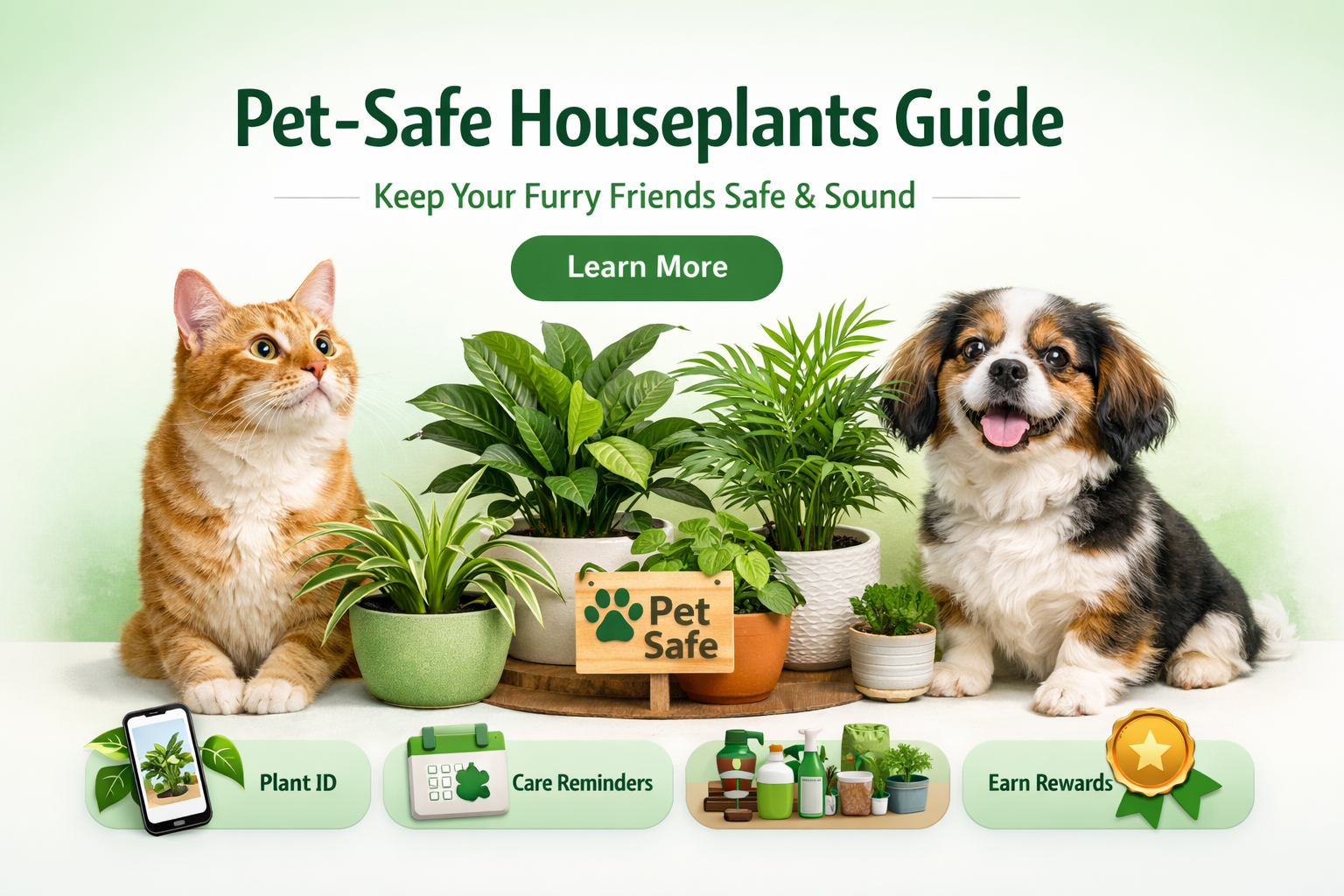
Welcome to the wonderful world where lush indoor greenery and playful pets coexist! As a devoted plant parent and pet owner, you know the joy that both bring to your home. However, the intersection of these two passions often comes with a common concern: finding pet safe indoor plants that won't harm our beloved furry friends. Many popular houseplants, while beautiful, can be toxic if ingested, leading to a stressful trip to the vet or worse.
This guide is designed to help you build a beautiful indoor garden using species that are generally considered lower-risk for cats, dogs, and other curious companions. It should reduce the guesswork considerably — but no article can guarantee that a particular plant is safe for your particular animal, and this page is not veterinary advice.
Veterinary disclaimer: BenePlant is not a veterinary service and we do not employ veterinarians. The information below is general educational content compiled from publicly available sources such as the ASPCA plant database. Individual animals can react differently, plant identifications can be wrong, and "non-toxic" does not mean "cannot cause a reaction". Always verify a species against the ASPCA toxic and non-toxic plant list and confirm with your own veterinarian before bringing a plant into a home with pets. If you believe your pet has eaten any plant, contact your veterinarian or an animal poison control service immediately — do not wait for symptoms and do not rely on this page.
In this article, we'll look at how to identify species that are commonly listed as non-toxic, share a list of widely recommended options, explain how to check a plant's status yourself, and cover what to do in an emergency.
Creating a Pet-Friendly Jungle: Why It Matters
The allure of indoor plants is undeniable. They add a touch of natural beauty to any living space, and many people simply enjoy having them around. For many, plants are more than just decor; they're living companions that bring peace and a sense of accomplishment. Similarly, pets are cherished family members, providing unconditional love, endless entertainment, and a comforting presence. The thought of these two worlds colliding in a harmful way is a significant source of stress for plant and pet parents alike.
Ensuring your plants are pet-safe isn't just about avoiding a vet bill; it's about providing peace of mind and creating a truly nurturing environment for everyone in your home. Cats, in particular, are known for their curiosity and tendency to nibble on anything that catches their eye, while dogs might chew on leaves out of boredom or play. Accidental ingestion of a toxic plant can lead to a range of symptoms, from mild stomach upset and skin irritation to severe organ damage or even death.
By choosing species that are commonly listed as cat friendly plants and dog friendly plants, you substantially reduce this risk — though you don't remove it altogether, since any plant material can upset a sensitive animal. Combining lower-risk species with sensible placement is the practical approach most owners settle on, and it makes for a calmer home without needing constant vigilance.
Our Top 15 Pet-Safe Houseplant Recommendations
Here are 15 popular houseplants that are widely listed as non-toxic to cats and dogs in references such as the ASPCA database, alongside their basic care needs. Treat this as a shortlist to verify, not a safety guarantee: even a species listed as non-toxic can cause vomiting or diarrhoea if a pet eats a large amount, and individual animals vary. Confirm the exact species — common names overlap between safe and toxic plants — and check with your vet if you have any doubt.
- African Violet (Saintpaulia)
- Why it's great: Beautiful, vibrant flowers and compact size.
- Care: Bright, indirect light; keep soil consistently moist but not soggy; avoid getting water on leaves.
- Boston Fern (Nephrolepis Exaltata)
- Why it's great: Lush, feathery fronds that add a classic touch.
- Care: Indirect light; high humidity; consistently moist soil.
- Christmas Cactus (Schlumbergera)
- Why it's great: Stunning winter blooms.
- Care: Bright, indirect light; water when the top inch of soil is dry.
- Friendship Plant (Pilea Involucrata)
- Why it's great: Textured, crinkled leaves with unique patterns, easy to propagate.
- Care: Medium to bright indirect light; high humidity; keep soil moist.
- Haworthia (Haworthia fasciata)
- Why it's great: Succulent-like appearance, very resilient, often mistaken for Aloe Vera (which is toxic).
- Care: Bright, indirect light; water sparingly, allowing soil to dry completely between waterings.
- Hoyas (Hoya carnosa, Wax Plant)
- Why it's great: Stunning waxy leaves and fragrant, star-shaped flowers.
- Care: Bright, indirect light; allow soil to dry out between waterings.
- Orchids (Phalaenopsis Orchid)
- Why it's great: Elegant, long-lasting blooms.
- Care: Bright, indirect light; water thoroughly when media is dry; high humidity.
- Parlor Palm (Chamaedorea Elegans)
- Why it's great: Classic, graceful palm that tolerates lower light.
- Care: Low to medium indirect light; keep soil consistently moist but not wet.
- Peperomia (various types like Watermelon, Obtusifolia, Prostrata)
- Why it's great: Diverse foliage, compact size, easy care.
- Care: Medium to bright indirect light; allow soil to dry slightly between waterings.
- Prayer Plant (Maranta Leuconeura)
- Why it's great: Beautifully patterned leaves that fold up at night, like hands in prayer.
- Care: Medium to low indirect light; high humidity; consistently moist soil.
- Spider Plant (Chlorophytum Comosum)
- Why it's great: Easy to grow and produces "spiderettes" that can be propagated.
- Care: Bright, indirect light; allow soil to dry between waterings. This is often an ideal choice for beginners seeking easy indoor plants.
- Staghorn Fern (Platycerium)
- Why it's great: Unique, antler-like fronds, often grown mounted.
- Care: Bright, indirect light; regular watering (especially if mounted), high humidity.
- Swedish Ivy (Plectranthus verticillatus)
- Why it's great: Trailing foliage, easy to propagate, fast-growing.
- Care: Bright, indirect light; keep soil consistently moist.
- Money Tree (Pachira Aquatica)
- Why it's great: Iconic braided trunk, believed to bring good luck.
- Care: Bright, indirect light; water when the top 2-3 inches of soil are dry.
- Areca Palm (Dypsis Lutescens)
- Why it's great: Large, feathery fronds that fill out a shady corner.
- Care: Bright, indirect light; keep soil consistently moist, high humidity.
Remember, even with non-toxic houseplants, proper care is key to their health. For personalized care schedules and identification of any plant you encounter, consider using a tool like BenePlant: Your Ultimate AI-Powered Plant Care Companion App.
Identifying Toxic vs. Non-Toxic Plants: What to Watch For
While our list provides a fantastic starting point, it's crucial to understand how to determine a plant's safety yourself, especially if you encounter a new species or receive a plant as a gift. The distinction between toxic and non-toxic can sometimes be subtle, and misinformation is common. Always err on the side of caution.
Common Toxic Plants to Avoid
Many popular houseplants are, unfortunately, toxic to pets. It's wise to be familiar with some of the most common culprits so you can avoid them or keep them well out of reach. Some examples include:
- Pothos (Epipremnum aureum): Contains calcium oxalate crystals that cause irritation.
- Philodendron: Similar to Pothos, also contains calcium oxalate.
- Peace Lily (Spathiphyllum): Also contains calcium oxalate.
- Dieffenbachia (Dumb Cane): Can cause severe oral irritation and swelling.
- Sago Palm (Cycas revoluta): Highly toxic, especially the seeds, can cause liver failure.
- Aloe Vera: While beneficial for humans, it's a mild laxative for pets.
- Lilies (true lilies, Lilium species): Extremely toxic to cats, even small amounts can cause kidney failure.
- Oleander: Highly toxic, affects the heart.
This is not an exhaustive list, but it highlights that many common and beautiful plants pose a risk.
How to Verify a Plant's Safety
The most reliable way to determine if a plant is pet-safe is to use trusted resources. The ASPCA (American Society for the Prevention of Cruelty to Animals) offers an extensive, searchable database of toxic and non-toxic plants, which is an invaluable tool for any plant and pet owner.
Here's a general approach:
- Identify the Plant Accurately: Before you can check its toxicity, you need to know exactly what plant it is. If you're unsure, AI Plant Identification & Smart Watering Schedules: Never Guess Again! can be a lifesaver. Snap a photo, and BenePlant's AI will help you identify it quickly.
- Consult Reputable Databases: Once identified, cross-reference it with the ASPCA plant list or other veterinary-backed resources. Look for scientific names to ensure accuracy, as common names can vary.
- Consider Plant Placement: Even if a plant is mildly toxic, strategic placement (e.g., hanging baskets, high shelves) can keep it out of a curious pet's reach.
- Observe Your Pet: Watch for any signs of chewing or interest in plants. Some pets are more inclined to munch than others.
Always prioritize your pet's safety. When in doubt, it's better to keep a plant out of your home or in an inaccessible location.
Emergency Guide: What to Do if Your Pet Eats a Plant
Despite our best efforts, accidents can happen. If you suspect or witness your pet ingesting a potentially toxic plant, staying calm and acting quickly is crucial. Knowing what steps to take can significantly impact the outcome.
Immediate Actions
- Remove the Plant: Immediately remove any remaining plant material from your pet's mouth and away from their reach.
- Identify the Plant: If possible, identify the plant (or take a sample with you). Knowing the exact species will help your veterinarian determine the best course of treatment. This is where BenePlant's AI identification feature can be particularly useful in a stressful situation.
- Observe Your Pet: Look for immediate symptoms like drooling, vomiting, diarrhea, lethargy, difficulty breathing, tremors, or pawing at the mouth.
- Contact a Professional:
- Your Veterinarian: Call your vet immediately, even if your pet isn't showing symptoms. They can advise you on whether to bring your pet in or if monitoring at home is sufficient.
- Pet Poison Helpline: Keep the number for a pet poison control center handy. In the U.S., the ASPCA Animal Poison Control Center (APCC) at (888) 426-4435 or Pet Poison Helpline at (855) 764-7661 are excellent resources (consultation fees may apply).
Do NOT try to induce vomiting without professional guidance, as it can sometimes cause more harm than good depending on the type of plant and pet.
Prevention is Key
The best emergency plan is to prevent the emergency altogether. Here are some preventative measures:
- Choose Wisely: Stick to our list of pet safe indoor plants whenever possible.
- Strategic Placement: Place any potentially toxic plants on high shelves, in terrariums, or in rooms that are inaccessible to pets. Hanging planters are also an excellent option.
- Provide Alternatives: Ensure your pet has plenty of safe toys, scratching posts, and engaging activities to distract them from your plants. For cats, provide safe "cat grass" (like oat, wheat, or barley grass) as a designated chewing option.
- Training: Train your pets with "leave it" commands, especially if they show interest in your plants.
- Enrichment: A bored pet is often a destructive or curious one. Ensure your pets are well-exercised and have mental stimulation.
- Regular Plant Care: Healthy plants are less appealing for pets to chew on. Learn about general plant health and Houseplant Troubleshooting: Common Issues & Quick Fixes to keep your greenery thriving.
Beyond the Basics: Creating a Harmonious Home
Cultivating a home where both your plants and pets thrive is entirely achievable with a little planning and the right tools. It's about creating an environment of mutual respect and understanding – knowing your plants' needs and your pets' natural behaviors.
Thoughtful Plant Placement
Beyond simply placing plants out of reach, consider the overall layout of your home. Use vertical space with shelving units or hanging planters to create a multi-level green display that keeps tempting leaves away from curious paws and mouths. Tall, sturdy plant stands can also elevate plants safely. Ensure that pots are heavy enough or secured to prevent pets from knocking them over.
Pet Enrichment and Training
A well-stimulated pet is less likely to seek entertainment from your houseplants. Provide ample toys, scratching posts, and regular playtime. For cats, consider "catification" – vertical spaces, cat trees, and window perches – to give them their own stimulating environment. Gentle training to redirect attention away from plants can also be very effective. Reward your pet for ignoring plants and engaging with their designated toys.
Leveraging Technology for Peace of Mind
Managing a diverse collection of plants, whether pet-safe or not, can be simplified with the right tools. BenePlant is designed to be your ultimate plant care companion, helping you track, identify, and nurture every plant in your home.
- AI Plant Identification: Quickly identify any plant, allowing you to instantly check its pet-safety status.
- Personalized Care Schedules: Receive automated watering and fertilizing reminders, ensuring all your plants get the attention they need without you having to remember every detail.
- Plant Collection Management: Keep a digital journal for each plant, including notes on its pet-safety status, care requirements, and location within your home. This is incredibly helpful when you have a mix of toxic and non-toxic plants.
By using an app like BenePlant, you can seamlessly integrate plant care into your busy life, giving you more time to enjoy your vibrant green space and the company of your beloved pets.
Plant Parent FAQ: Your Most Common Pet-Safe Plant Questions Answered
Q: Are all succulents safe for pets?
A: No. While many succulents like Haworthia and Christmas Cactus are pet-safe, others like Aloe Vera and Pencil Cactus are toxic. Always identify the specific succulent and verify its safety with a reputable source like the ASPCA.
Q: Can I keep toxic plants if I have pets?
A: Yes, but with extreme caution. Toxic plants must be placed in areas completely inaccessible to your pets. This might mean locked rooms, high hanging baskets that cannot be reached, or terrariums. Constant vigilance is required, and for many, the peace of mind of exclusively pet-safe plants is preferable.
Q: My cat keeps chewing on plants. What can I do?
A: Provide designated "cat grass" (oat, wheat, or barley grass) as a safe alternative. Ensure they have plenty of toys and enrichment. You can also try deterrents like citrus sprays (many cats dislike the smell) or placing pebbles on top of the soil to make it less appealing to dig.
Q: How can BenePlant help me manage pet-safe plants?
A: BenePlant's AI identification helps you confirm if a plant is safe. Its collection management features allow you to add notes about pet-safety to each plant's profile, and personalized care reminders help you keep all your plants healthy, reducing the likelihood of pets being attracted to dying or struggling foliage.
Q: What if my pet eats a pet-safe plant?
A: Even with a species listed as non-toxic, eating a large amount of plant material can cause stomach upset such as vomiting or diarrhoea, much like eating too much grass. These cases are usually less serious than ingestion of a genuinely toxic plant, but we can't tell you what is safe for your animal — if your pet has eaten any plant and you are concerned, or if symptoms are severe or persistent, contact your veterinarian or an animal poison control service.
Conclusion
Creating a home that is both a lush, green sanctuary and a safe haven for your furry companions is not just possible—it's a joyful and rewarding endeavor. By understanding which pet safe indoor plants to welcome into your space and how to manage those that aren't, you empower yourself to make informed decisions that protect your pets while indulging your passion for plants. The days of worrying about every nibble can be over, replaced by the serene pleasure of a harmonious home.
We've explored a vibrant collection of non-toxic houseplants that offer beauty without risk, equipped you with the knowledge to identify plants, and prepared you for the rare event of an emergency. Remember, a proactive approach—choosing safe plants, strategic placement, and providing pet enrichment—is always the best defense.
As you embark on or continue your journey as a plant and pet parent, let technology be your ally. With tools like BenePlant: Your Ultimate AI-Powered Plant Care Companion App, managing your green friends becomes effortless. You'll receive personalized care reminders, identify new plants with ease, and track your collection, ensuring every leaf and every paw lives its best life. Go ahead, cultivate that beautiful, pet-friendly jungle you've always dreamed of—your pets (and your plants!) will thank you.
Share this article