Blog Article
Mastering Indoor Plant Humidity: Keep Your Greens Thriving
Unlock the secrets to thriving indoor plants by mastering humidity. Learn why indoor plant humidity matters, spot signs of dry air, and discover simple, effective solutions to increase humidity for your tropical plant care, especially in dry environments.
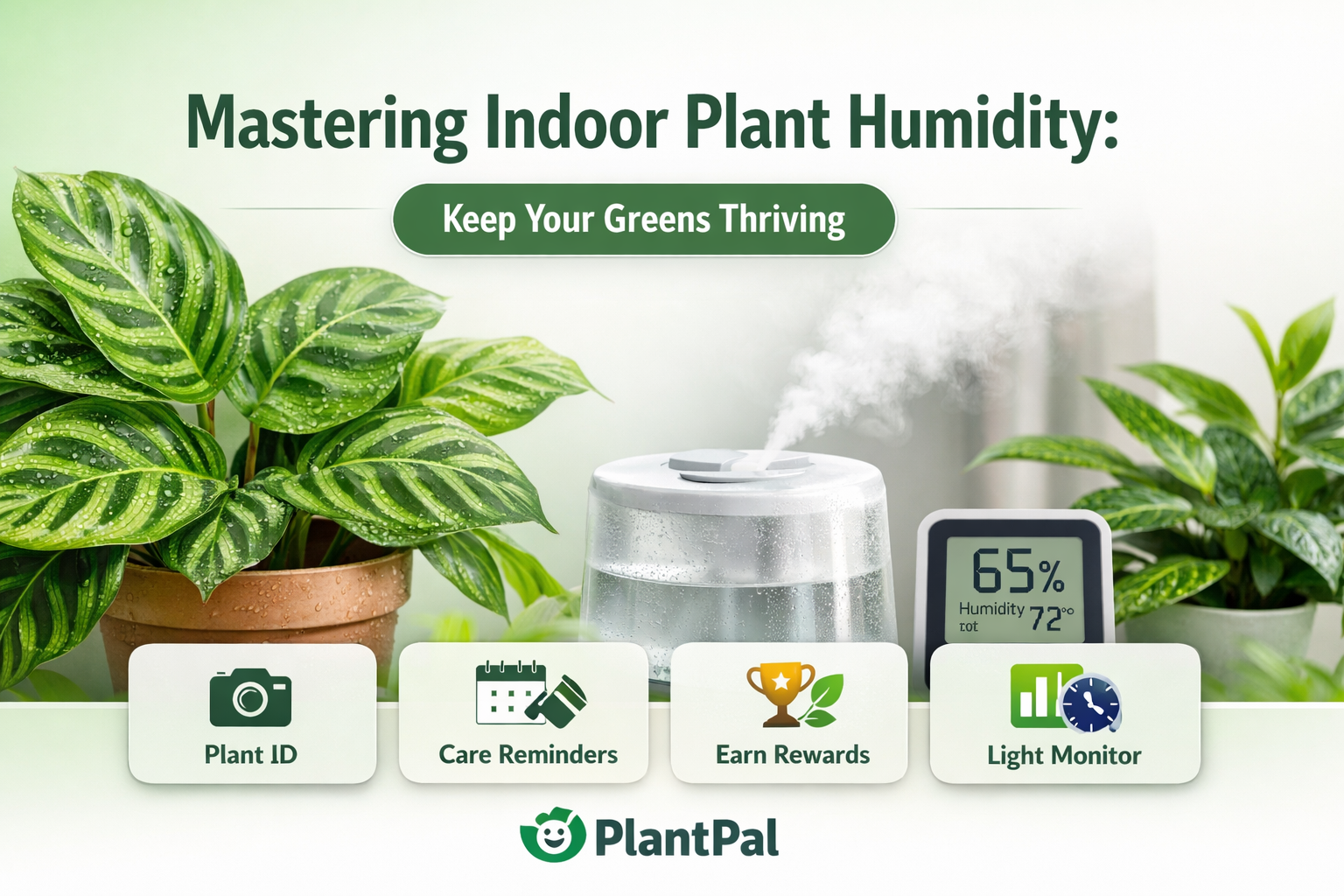
Indoor plants bring life, color, and a sense of calm to our homes, but ensuring their health goes beyond just watering and sunlight. One of the most overlooked, yet crucial, aspects of successful indoor plant care is indoor plant humidity. Many popular houseplants, particularly those originating from tropical rainforests, thrive in consistently moist air, a stark contrast to the typically dry conditions found in most homes, especially during colder months when heating systems are running. Understanding and managing humidity levels can be the difference between a struggling, lackluster plant and a vibrant, flourishing green companion.
This comprehensive guide will demystify indoor plant humidity, explaining why it's so vital for your beloved botanicals. We'll explore the tell-tale signs that your plants are craving more moisture in the air and provide practical, easy-to-implement strategies to significantly increase humidity for plants in your home. Whether you're a seasoned plant parent or just starting your green journey, mastering this element of care will help you cultivate a thriving indoor jungle. From simple DIY fixes to smart tech solutions, get ready to transform your environment and watch your plants flourish, particularly those needing dedicated tropical plant care in the face of dry air solutions.
Why Humidity Matters: The Unsung Hero of Plant Health
Humidity, or the amount of moisture in the air, plays a vital role in the overall health and growth of most indoor plants. Just as soil moisture is critical for root hydration, atmospheric moisture is essential for foliage and the plant's metabolic processes. Many of our favorite houseplants, such as Monsteras, Pothos, and Ferns, originate from lush, humid tropical environments where the air is consistently moist. When these plants are brought into our homes, which often have significantly lower humidity levels (especially in winter), they can struggle to adapt.
Transpiration and Nutrient Uptake
Plants "breathe" through tiny pores called stomata, mostly located on the undersides of their leaves. Through a process called transpiration, water vapor is released from these stomata, which creates a pull that draws water and nutrients up from the roots. In a low-humidity environment, plants transpire too quickly, losing water faster than their roots can absorb it. This can lead to dehydration, even if the soil is adequately moist. High humidity, on the other hand, slows down transpiration, allowing the plant to retain more water and utilize nutrients more efficiently, which is a cornerstone of effective Watering Your Plants: The Ultimate Guide for Beginners.
Preventing Pests and Disease
While too much humidity can sometimes encourage fungal issues, consistently low humidity weakens plants, making them more susceptible to common indoor plant pests like spider mites, thrips, and mealybugs. These tiny invaders thrive in dry conditions. Keeping humidity levels appropriate for your plants helps create an environment less favorable for pests and contributes to the plant's natural defenses. Moreover, adequate humidity helps leaves stay supple and less prone to cracking, which can be entry points for pathogens.
Supporting Tropical Plant Vigor
For plants like orchids, ferns, calatheas, and other tropical species, high indoor plant humidity isn't just beneficial—it's absolutely essential for their survival and vigor. These plants have evolved in environments where the air is nearly saturated with moisture. Replicating these conditions as closely as possible, even in your home, is key to successful BenePlant: Your Ultimate AI-Powered Plant Care Companion App and ensuring your exotic beauties display their full potential, with lush foliage and vibrant growth. Without sufficient humidity, they may exhibit browning leaf tips, stunted growth, or even decline.
Signs Your Plants Need More Humidity: Dry Edges & Stunted Growth
Observing your plants closely can provide valuable clues about their needs, including insufficient humidity. Many common symptoms of low indoor plant humidity mimic those of underwatering or nutrient deficiencies, which can make diagnosis tricky. However, by looking for a specific combination of signs, you can accurately determine if your plants are craving more moisture in the air.
Visible Leaf Damage and Browning Tips
One of the most common and earliest indicators of low humidity is the browning, crisping, or curling of leaf tips and edges. This is particularly noticeable on plants with broad or delicate leaves. Instead of drying out the entire leaf, the outermost cells, which are furthest from the water supply, are the first to suffer from rapid transpiration. In severe cases, entire leaves might turn yellow and then brown before dropping off prematurely. You might also notice flowers dropping prematurely or failing to open fully.
Stunted Growth and Lack of Vigor
If your plants seem to be growing slowly or have ceased new growth altogether, despite adequate light, water, and nutrients (perhaps guided by our Fertilizing Houseplants: What, When, and How Much article), low humidity could be the culprit. When plants are stressed by dry air, they redirect their energy from growth to survival, often resulting in smaller leaves, weak stems, and an overall lack of vibrancy. Young, tender growth is especially vulnerable and may appear shriveled or fail to fully unfurl.
Pest Infestations and General Stress
As mentioned earlier, dry air makes plants more susceptible to pests. If you suddenly notice an increase in spider mites (often indicated by fine webbing and tiny dots on leaves) or other common houseplant pests, it might be a symptom of underlying low humidity. A stressed plant, compromised by its environment, has a weaker immune response, making it an easier target for opportunistic invaders. This also ties into broader Houseplant Troubleshooting: Common Issues & Quick Fixes strategies, where environmental factors are always the first to consider.
Simple Ways to Boost Humidity at Home
The good news is that increasing indoor plant humidity doesn't require a complete overhaul of your living space. There are several effective and relatively simple methods you can employ to create a more hospitable environment for your moisture-loving plants. Implementing a combination of these strategies will yield the best results for your tropical plant care regimen.
Grouping Plants Together
One of the easiest and most natural ways to increase humidity for plants is to group them closely. As plants transpire, they release moisture into the air around them. When several plants are clustered, they collectively create a microclimate with higher localized humidity, benefiting each other. This is especially effective for small to medium-sized plants. Ensure there's still good air circulation to prevent fungal issues.
Using Pebble Trays or Humidifiers
- Pebble Trays: A simple DIY solution involves filling a shallow tray with pebbles and adding water to just below the top of the pebbles. Place your potted plants on top of the pebbles, ensuring the pot's bottom doesn't sit directly in the water. As the water evaporates, it adds humidity directly around the plants. This is a cost-effective and low-maintenance method.
- Humidifiers: For a more significant and consistent boost, especially in very dry environments or for a larger collection of plants, a dedicated room humidifier is your best bet. Cool-mist humidifiers are generally preferred for plants as they don't produce heat, which can sometimes be detrimental. Look for models with a humidistat that allows you to set and maintain desired humidity levels. Pairing this with BenePlant's environmental monitoring features (like the Master Light & Moisture: BenePlant's Built-in Tools for Healthy Growth) can give you precise control.
Misting and Terrariums
- Misting: While often recommended, misting is a short-term solution for dry air solutions. It temporarily raises surface humidity but quickly evaporates. For plants with aerial roots (like some orchids or aroids), misting can be beneficial for those roots. However, for most foliage plants, it's not a substitute for consistent ambient humidity and can even lead to leaf spots if water sits on leaves for too long.
- Terrariums and Cloches: For small, high-humidity-loving plants (like certain ferns or Fittonias), enclosing them in a terrarium or under a glass cloche can create a self-contained, high-humidity environment. This is an excellent way to provide intense moisture without affecting the rest of your home.
Don't forget that consistent care often involves the right tools. You can explore a wide range of products that help maintain humidity and overall plant health at the Shop Curated Plant Care Products: Everything Your Plants Need in One Place, including humidifiers, special watering cans, and more.
Choosing Plants that Thrive in Lower Humidity
While many popular houseplants crave high humidity, not all of them do. If your home consistently struggles with low humidity, even after implementing some of the above solutions, or if you simply prefer lower-maintenance plants, there are plenty of beautiful options that are perfectly content with drier air. Incorporating these into your collection can reduce stress on both you and your plants.
Desert-Dwellers and Succulents
Plants originating from arid or semi-arid regions are naturally adapted to low humidity. This category includes a vast array of succulents and cacti. Their thick, fleshy leaves are designed to store water, and their stomata often open only at night to minimize water loss through transpiration. Examples include:
- Snake Plants (Sansevieria): Known for their striking upright foliage and incredible resilience. They are incredibly tolerant of neglect, including dry air. Our Snake Plant Care Guide: Thriving with Sansevieria provides all the details.
- ZZ Plants (Zamioculcas zamiifolia): Another nearly indestructible plant that thrives on neglect and low humidity.
- Aloe Vera: A popular succulent with medicinal properties that requires minimal humidity.
Plants from Mediterranean or Temperate Climates
Some houseplants originate from regions with distinct dry seasons or more temperate climates, making them better suited to average indoor humidity levels.
- Pothos (Epipremnum aureum): While they appreciate some humidity, Pothos are remarkably adaptable and will tolerate lower levels without significant issues. They're a fantastic choice for beginners, as highlighted in the Pothos Plant Care Made Easy: A Beginner's Guide to Trailing Beauty.
- Cast Iron Plant (Aspidistra elatior): Lives up to its name, thriving in very low light and humidity conditions.
- Spider Plants (Chlorophytum comosum): Very forgiving plants that are easy to care for and propagate, making them an excellent choice for a wide range of indoor environments.
When selecting new plants, always research their specific needs. Choosing plants that naturally align with your home's environmental conditions can significantly reduce the effort required for care and ensure long-term success. If you're looking for more general advice on getting started, The Ultimate Beginner Houseplant Guide: Start Your Green Journey Today is an excellent resource. For those with consistently dim spaces, our Low-Light Houseplants: Top Picks for Every Dim Corner also features many hardy, adaptable options.
Frequently Asked Questions About Indoor Plant Humidity
Q1: What is the ideal humidity level for most indoor plants?
A1: Most tropical indoor plants thrive in humidity levels between 50-70%. Some, like ferns, may prefer closer to 80%, while succulents and cacti are happy with 30-40%. Monitoring your home's humidity with a hygrometer can help you understand your baseline.
Q2: Can too much humidity be bad for plants?
A2: Yes, excessive humidity (above 80% for prolonged periods, especially without good air circulation) can create an ideal breeding ground for fungal diseases like powdery mildew or botrytis. It's about finding the right balance for your specific plants and environment.
Q3: How often should I mist my plants to increase humidity?
A3: Misting generally provides only a very temporary increase in humidity (often less than 30 minutes). While it can be enjoyable for some plants, it's not an effective long-term solution. Other methods like pebble trays or humidifiers offer more consistent and beneficial moisture.
Q4: Does using a humidifier use a lot of electricity?
A4: The energy consumption of humidifiers varies greatly by model and size. Smaller, personal humidifiers use very little electricity, similar to a small fan. Larger, whole-room humidifiers will use more, but modern energy-efficient models are designed to minimize consumption.
Q5: How can BenePlant help me manage my plant's humidity needs?
A5: BenePlant's features can indirectly support humidity management by helping you identify your plant (so you know its natural habitat's humidity needs), track its health, and use tools like the Light Meter (which is often linked to plant placement in a more humid area). While we don't have a direct humidity sensor yet, knowing your plant's specific requirements through our AI Plant Identification & Smart Watering Schedules: Never Guess Again! feature helps you proactively create the right environment.
Conclusion
Mastering indoor plant humidity is a vital step in cultivating a flourishing indoor garden. By understanding why humidity matters, recognizing the tell-tale signs of dry air, and implementing practical solutions, you can transform your home into a verdant oasis where your plants not only survive but thrive. From simple grouping techniques and pebble trays to the strategic use of humidifiers, there are many ways to increase humidity for plants and ensure your beloved tropical plant care specimens receive the moisture they crave.
Remember, every plant is unique, so pay attention to their individual responses to environmental changes. With a little effort and keen observation, you'll soon be an expert at providing the perfect atmospheric conditions for your green companions, resolving common dry air solutions issues, and enjoying the lush, vibrant beauty they bring to your living space. Ready to take your plant care to the next level? Explore BenePlant: Your Ultimate AI-Powered Plant Care Companion App for personalized care schedules, identification, and more! Consider upgrading to a premium plan to unlock advanced features that make plant parenting even easier. Explore our premium plans today!
Share this article