Blog Article
Pothos Plant Care Made Easy: A Beginner's Guide to Trailing Beauty
Master pothos care with this comprehensive beginner's guide. Learn about watering, light, soil, troubleshooting common problems, and propagation to keep your easy indoor plants thriving.
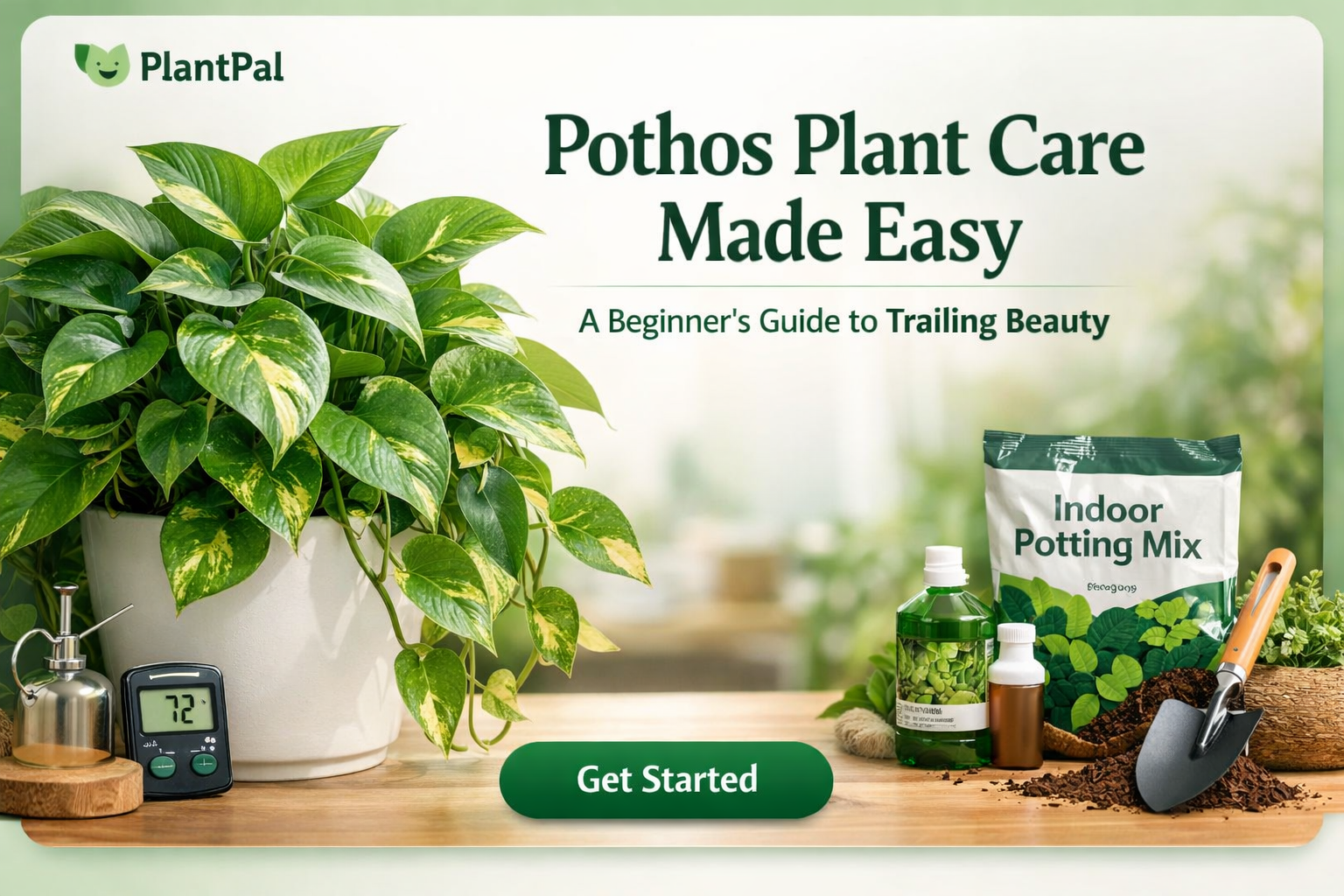
Are you new to the wonderful world of houseplants, dreaming of lush greenery but worried about keeping anything alive? You've come to the right place! The Pothos plant (Epipremnum aureum), often affectionately known as the "Devil's Ivy," is arguably one of the most forgiving and beautiful easy indoor plants you can choose. Its heart-shaped leaves, available in stunning variegations of green, yellow, and white, cascade gracefully, making it a favorite for shelves, hanging baskets, and even climbing poles. If you're looking for an ultimate beginner houseplant guide that practically guarantees success, mastering pothos care guide essentials is your first step.
This comprehensive guide will demystify Pothos care, transforming you from a hesitant plant parent into a confident green thumb. We'll cover everything from the basic watering and light requirements to troubleshooting common issues and even how to propagate your Pothos to expand your collection. By the end, you'll understand why this resilient plant is celebrated worldwide and how you can nurture your own trailing beauty to thrive for years to come. Get ready to embark on a rewarding journey with a plant that truly makes houseplant ownership a joy.
Why Pothos is the Perfect Plant for Newbies
The Pothos plant has earned its reputation as the ultimate beginner-friendly houseplant, and for good reason. Its remarkable resilience allows it to bounce back from neglect that would spell doom for many other plants. Whether you're a busy professional, a student, or simply someone new to plant care, the Pothos adapts remarkably well to a wide range of indoor conditions, making it an ideal choice to kickstart your green journey. Its ability to tolerate lower light levels and occasional missed waterings sets it apart, instilling confidence in novice plant parents.
Beyond its forgiving nature, Pothos plants are incredibly versatile. They can be grown in various ways: letting their vines trail elegantly from shelves, encouraging them to climb upwards on a moss pole, or even as ground cover in a larger pot. Different varieties, like Golden Pothos, Marble Queen, Neon Pothos, and N'Joy, offer a spectrum of colors and patterns, allowing you to find the perfect aesthetic for your home. This combination of hardiness and aesthetic appeal solidifies Pothos's position as the perfect starting point for anyone looking to bring more life into their living space. For a broader look at getting started, check out The Ultimate Beginner Houseplant Guide: Start Your Green Journey Today.
Watering, Light, and Soil Secrets for Lush Pothos
Understanding the core environmental needs of your Pothos is crucial for its long-term health and vibrant growth. While Pothos are known for their forgiving nature, providing optimal conditions will allow them to truly flourish into magnificent, trailing specimens.
Watering Wisdom
Overwatering is the most common killer of houseplants, and Pothos is no exception. The key to successful Pothos watering is moderation and observation. Always allow the top 1-2 inches of soil to dry out completely before watering again. You can test this by sticking your finger into the soil. When it's time to water, do so thoroughly until water drains from the bottom of the pot. Ensure your pot has drainage holes to prevent waterlogging, which can lead to root rot. If you notice yellowing leaves, especially on lower foliage, it’s often a sign of too much water. Conversely, drooping leaves can indicate underwatering, but they usually perk up quickly after a good drink.
Lighting Up Your Pothos
Pothos plants are incredibly adaptable when it comes to light, thriving in a range from low to bright, indirect light. Their ideal spot is typically in bright, indirect sunlight, where they receive ample light without harsh direct rays that can scorch their leaves. A few feet away from a south- or west-facing window, or near an east-facing window, is often perfect. While they can tolerate low light, you might notice slower growth and less vibrant variegation in darker spots. Too much direct sun can fade their colors and cause crispy brown spots, while insufficient light can lead to leggy growth with sparse leaves. A smart light meter tool can help you identify the perfect spot in your home – many plant care apps, like BenePlant, offer this feature!
Soil & Potting Perfection
The right soil mix and pot are vital for healthy Pothos roots. A well-draining potting mix is paramount. A standard indoor potting mix amended with perlite or orchid bark works wonderfully, providing both drainage and aeration. Avoid heavy, dense soils that retain too much moisture. When choosing a pot, ensure it has drainage holes at the bottom to prevent water from accumulating. Terracotta pots can be beneficial as they allow the soil to breathe and dry out more quickly, while plastic pots retain moisture longer. When your Pothos outgrows its current home, choose a new pot that is only one size larger (e.g., from a 6-inch to an 8-inch pot) to prevent the soil from holding too much excess moisture. For more in-depth guidance on choosing the best home for your plant, read our guide on Choosing the Right Planter: Material, Size, & Drainage Guide.
Troubleshooting Pothos Problems: Yellow Leaves & More
Even the most resilient plants like Pothos can face occasional challenges. Knowing how to diagnose and address common issues will keep your plant happy and healthy.
Yellow Leaves: A Sign to Decode
Yellowing leaves are perhaps the most frequent complaint among Pothos owners. While a few older leaves turning yellow and dropping is natural, widespread yellowing, especially on new growth, signals a problem. The primary culprit is often overwatering, which starves the roots of oxygen, leading to suffocation and rot. If the soil is consistently soggy, ease back on your watering schedule and ensure proper drainage. However, underwatering can also cause yellow leaves, often accompanied by dry, crispy edges or drooping. If the soil is bone dry, give it a thorough soak. Other less common causes include nutrient deficiencies (especially if you haven't fertilized in a while), sudden temperature changes, or insufficient light. To dive deeper into diagnosing and fixing this common issue, consult our article: Why Are My Houseplant Leaves Turning Yellow? Diagnose & Fix It!.
Leggy Growth: More Light or Pruning?
If your Pothos vines are looking long and sparse with leaves spaced far apart, it's typically a sign of insufficient light. The plant is stretching, or becoming "leggy," in an attempt to find a brighter spot. Move your Pothos to an area with brighter, indirect light. Pruning can also help address leggy growth. Cutting back the long, bare stems will encourage the plant to branch out, creating a fuller, bushier appearance. Don't discard those cuttings – they're perfect for propagation!
Pest Patrol: Keeping Invaders Away
Pothos are generally pest-resistant, but they can occasionally fall victim to common houseplant pests like spider mites, mealybugs, or scale. Regularly inspect your plant's leaves (especially the undersides) and stems for any signs of tiny insects or sticky residue. If you spot pests, isolate the plant immediately to prevent spread. Treat infestations with natural solutions like neem oil spray or insecticidal soap, following product instructions carefully. Wiping down leaves with a damp cloth can also help remove pests and keep them at bay. For a comprehensive strategy, refer to our guide on Indoor Plant Pest Control: Identify, Treat, & Prevent Common Invaders.
How to Propagate Pothos Cuttings in Water or Soil
One of the most rewarding aspects of Pothos care is how incredibly easy it is to propagate new plants from cuttings. This is a fantastic way to expand your collection for free, share with friends, or simply create a bushier parent plant. This is a crucial part of any plant propagation guide!
Water Propagation: The Easiest Method
- Select a Healthy Stem: Choose a healthy vine with at least 3-4 leaves. Look for a section with nodes (small bumps where leaves and roots emerge).
- Make the Cut: Using clean, sharp scissors or pruners, cut just below a node. Ensure your cutting has at least one node and a few leaves. Removing the lowest leaf can help prevent rot.
- Place in Water: Put the cutting in a clear glass or jar filled with fresh water. Make sure the node(s) are submerged, but no leaves are under the waterline.
- Find a Spot: Place the jar in a spot with bright, indirect light.
- Change Water Regularly: Change the water every few days to keep it fresh and prevent bacterial growth.
- Wait for Roots: Within a few weeks, you should start to see roots emerging from the nodes. Once the roots are 1-2 inches long, your new Pothos is ready for potting.
Soil Propagation: A Direct Approach
- Prepare Cuttings: Follow steps 1 and 2 from water propagation.
- Prepare Pot & Soil: Fill a small pot (4-6 inches) with well-draining potting mix. You can dip the cut end of your Pothos cutting in rooting hormone, though it's often not necessary for Pothos.
- Plant the Cutting: Make a small hole in the soil with your finger or a pencil, then insert the cutting, ensuring at least one node is buried. Gently firm the soil around the base.
- Water & Cover: Water thoroughly. To create a humid environment, you can cover the pot with a clear plastic bag or dome, propping it up so it doesn't touch the leaves.
- Indirect Light: Place in a spot with bright, indirect light.
- Check for Roots: After a few weeks, gently tug on the cutting. If there's resistance, it means roots have formed. You can remove the plastic cover once new growth appears.
For more detailed propagation techniques for various plants, explore our comprehensive Plant Propagation Guide: Expand Your Collection for Free!.
Elevate Your Pothos Care with BenePlant
As you embark on your Pothos journey, or even if you're an experienced plant parent, the right tools can make all the difference. Imagine having an intelligent assistant that helps you maintain your beautiful Pothos, along with every other plant in your collection, effortlessly. That's where BenePlant, your ultimate AI-powered plant care companion, comes in.
With BenePlant, you can simply snap a photo of your Pothos – or any other plant – and our AI Plant Identification feature will instantly tell you its species, offering a wealth of detailed care information tailored to its specific needs. No more guesswork or endless internet searches! Our Personalized Care Schedules ensure you never forget to water or fertilize your Pothos again, with automated reminders that can even integrate with your Google Calendar. This means consistent, optimal care without the stress.
Wondering if your Pothos is getting enough light? The built-in Light Meter Tool allows you to measure ambient light levels in any spot, helping you find the perfect placement for your trailing beauty to ensure vibrant growth and stunning variegation. And when it's time to repot, fertilize, or simply find the perfect accessory, our Curated Plant Shop offers a selection of 20+ plant care products, from high-quality planters to essential tools, all chosen to support healthy plant life.
BenePlant makes managing your entire plant collection a breeze, turning plant care into a fun and rewarding experience through its gamification system. Earn XP, unlock badges, and maintain care streaks as your plants thrive under your care. Experience the future of plant parenting and give your Pothos the best chance to flourish. Discover how BenePlant can transform your green thumb experience: BenePlant: Your Ultimate AI-Powered Plant Care Companion App.
Frequently Asked Questions About Pothos Care
Q1: Is Pothos toxic to pets?
Yes, Pothos plants are mildly toxic to pets (cats and dogs) if ingested, due to calcium oxalates. While usually not life-threatening, it can cause oral irritation, vomiting, and difficulty swallowing. It's best to keep Pothos out of reach of curious pets or opt for pet-safe alternatives. For more options, see our Pet-Safe Houseplants Guide: Keep Your Furry Friends Safe & Sound.
Q2: How often should I fertilize my Pothos?
During the growing season (spring and summer), fertilize your Pothos once every 2-4 weeks with a balanced liquid houseplant fertilizer diluted to half strength. Reduce or stop fertilizing during fall and winter when growth slows.
Q3: What's the difference between a Pothos and a Philodendron?
Pothos and Philodendron are often confused due to their similar appearance and care needs. Key differences include the shape of their leaves (Pothos leaves tend to be thicker and waxier, with a more pronounced central vein; Philodendron leaves are generally thinner and more heart-shaped), and the way new leaves emerge (Pothos leaves unfurl directly from the stem, while Philodendron leaves emerge from a cataphyll, a papery sheath that eventually dries and falls off).
Q4: Can Pothos grow in low light?
Pothos can tolerate low light conditions, making them adaptable to many indoor spaces. However, in very low light, their growth will slow significantly, and any variegation in the leaves may fade, resulting in more solid green foliage. For optimal growth and color, bright, indirect light is preferred.
Conclusion: Embrace Your Inner Green Thumb with Pothos
Congratulations, aspiring plant parent! You've just unlocked the secrets to successful Pothos plant care, setting the stage for a thriving indoor oasis. From understanding its fundamental needs for watering, light, and soil to confidently troubleshooting common issues and even propagating new life, you now possess the knowledge to nurture this remarkable easy indoor plant. The Pothos truly is a testament to the fact that you don't need a green thumb to enjoy the beauty and benefits of houseplants – just a little guidance and consistent effort.
The journey of plant parenting is one of continuous learning and immense satisfaction. With your Pothos trailing gracefully and growing vigorously, you'll feel a sense of accomplishment and connection to nature right in your home. Remember that tools like BenePlant are designed to simplify this journey, providing practical insights and personalized support every step of the way. Embrace the challenge, enjoy the growth, and watch your trailing beauty flourish. Happy planting!
Share this article