Blog Article
The Ultimate Beginner Houseplant Guide: Start Your Green Journey Today
Discover the ultimate beginner houseplant guide with essential indoor plant care tips. Learn how to choose easy indoor plants and care for your first houseplant to ensure it thrives.
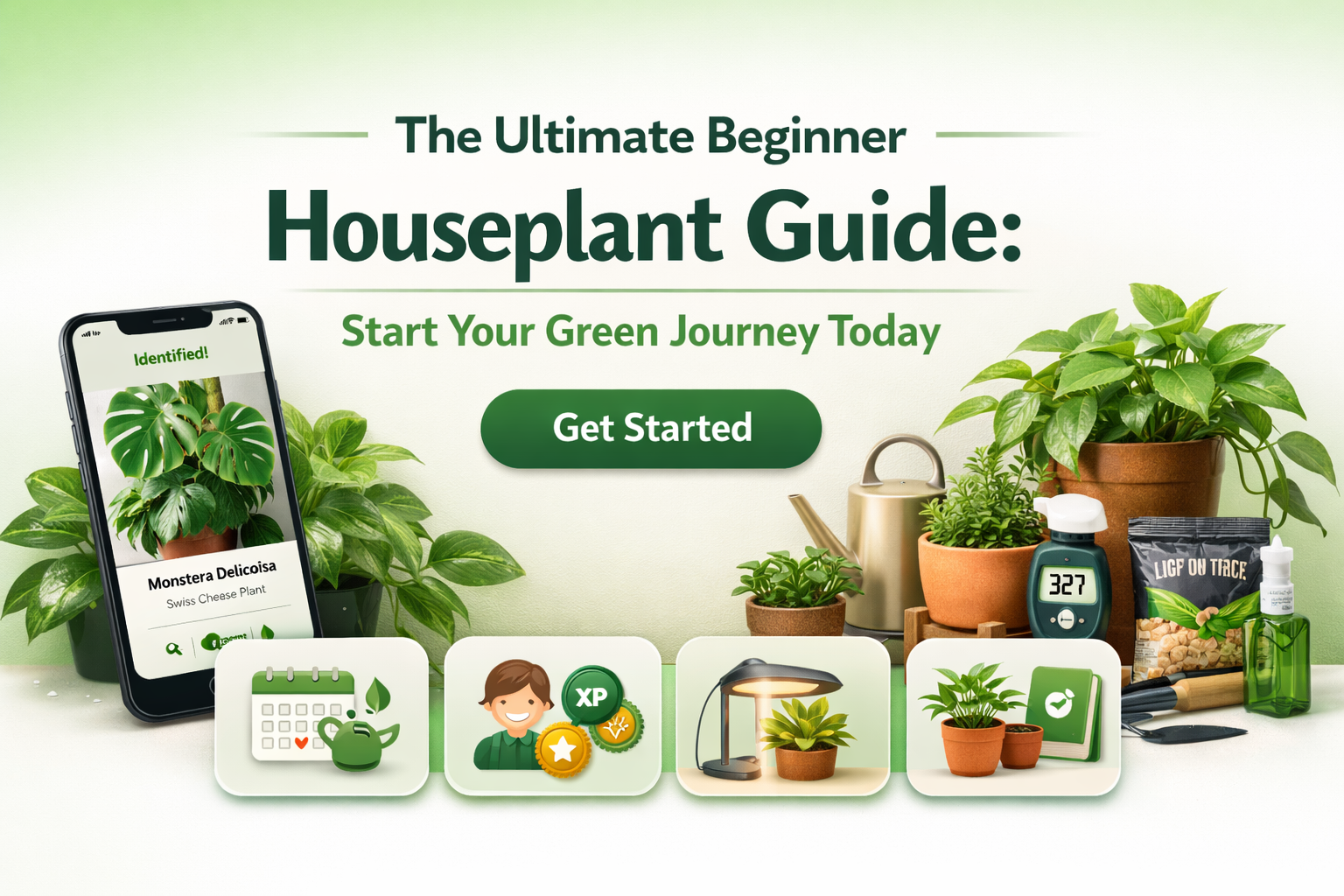
Welcome to the exciting world of indoor plants! If you're looking for a beginner houseplant guide to kickstart your green journey, you've come to the right place. Owning houseplants can transform your living space and make a room feel far more inviting. However, for many new plant parents, the idea of keeping a plant alive can feel daunting. The good news is, it doesn't have to be. With the right indoor plant care tips and a little patience, anyone can cultivate a thriving indoor garden.
This comprehensive guide is designed specifically for those taking their first steps into plant parenthood. We'll demystify the essential aspects of houseplant care, from selecting your first leafy companion to understanding its basic needs. You'll learn how to choose easy indoor plants that forgive a little neglect and provide instant gratification. Forget the fear of yellowing leaves or wilting stems; we're here to equip you with the knowledge and tools to ensure your first houseplant not only survives but flourishes.
Whether you're an apartment dweller looking to add some greenery to your urban oasis or simply curious about the benefits of indoor plants, this guide will provide a solid foundation. We'll cover everything from light and water requirements to soil and potting considerations, all explained in simple, actionable terms. By the end, you'll feel confident and inspired to nurture your very own collection of beautiful houseplants. Let's dig in!
Welcome to the Wonderful World of Houseplants
Bringing plants into your home is more than just decorating; it's about inviting nature indoors and fostering a living, breathing connection with the environment. For beginners, the sheer variety of houseplants can be overwhelming, but the rewards are real. Indoor plants can make living spaces feel more inviting, and some research suggests that spending time around greenery may support feelings of wellbeing — though effects are generally modest and vary from person to person. Houseplants should not be relied upon as a substitute for proper indoor ventilation or air filtration, and they are not a treatment for any health condition. What they reliably offer is a touch of natural beauty that artificial decor simply can't replicate.
Starting with houseplants is an accessible hobby that doesn't require a green thumb – just a willingness to learn and observe. Many popular houseplants are surprisingly resilient and can tolerate less-than-perfect conditions, making them ideal for novices. The satisfaction of watching a new leaf unfurl or a bloom appear is a unique joy that resonates deeply. It's a journey of growth, not just for your plants, but for you as a plant parent.
This guide will help you navigate the initial learning curve, providing you with practical advice and debunking common myths. You'll discover that caring for plants can be a meditative and rewarding experience, fostering a sense of accomplishment and tranquility. Soon, you’ll find yourself eagerly checking on your leafy friends, celebrating their progress, and perhaps even expanding your collection.
Choosing Your First Plant: Factors to Consider
Selecting your very first houseplant is an exciting step, and making the right choice can set you up for success. Not all plants are created equal in terms of their care demands. For beginners, the key is to choose forgiving, easy indoor plants that can handle a bit of forgetfulness or inconsistent care. Here are the crucial factors to consider:
Light Conditions in Your Home
This is arguably the most important factor. Before you even step into a nursery, assess the light levels in the spots where you envision your plants.
- Bright, indirect light: This is ideal for most houseplants. Think of a spot near a south or west-facing window, but where direct sun rays don't hit the plant for more than an hour or two.
- Low light: Some plants tolerate dimmer conditions, perfect for north-facing windows or shadier corners. If you're struggling with natural light, a grow light can supplement your plant's needs. For more specific guidance, check out our article on Low-Light Houseplants: Top Picks for Every Dim Corner.
- Direct sun: Very few houseplants thrive in direct, unfiltered sunlight all day. Cacti and some succulents are exceptions.
Space and Growth Habits
Consider how much space you have and how large the plant will eventually grow. Do you want a small desk plant, a trailing vine for a shelf, or a large statement piece for the corner of a room? Research the plant's mature size before buying.
Watering Frequency
Be honest with yourself about your watering habits. Are you likely to water frequently, or do you prefer plants that can go weeks between drinks?
- Drought-tolerant plants (like snake plants or ZZ plants) are perfect if you're prone to forgetting.
- Moisture-loving plants (like ferns or peace lilies) need more consistent watering.
Pet Safety
If you have pets, particularly cats or dogs, it's vital to choose non-toxic plants. Many common houseplants are toxic if ingested. To ensure the safety of your furry friends, consult our comprehensive Pet-Safe Houseplants Guide: Keep Your Furry Friends Safe & Sound.
Top Recommendations for Beginners:
- Snake Plant (Sansevieria): Extremely tolerant of neglect, low light, and infrequent watering.
- ZZ Plant (Zamioculcas zamiifolia): Similar to snake plants in resilience, perfect for low light.
- Pothos (Epipremnum aureum): Beautiful trailing vines, adaptable to various light conditions, and easy to propagate. Learn more in our Pothos Plant Care Made Easy: A Beginner's Guide to Trailing Beauty.
- Spider Plant (Chlorophytum comosum): Easy to care for, produces "spiderettes" for propagation, and very forgiving.
- Peace Lily (Spathiphyllum): Known for dramatically drooping when thirsty, making it easy to know when to water.
By considering these factors, you can confidently choose a houseplant that will thrive in your home and bring you joy rather than stress.
Basic Care Essentials: Light, Water, Soil, & Pots
Understanding the fundamental needs of your houseplants is the cornerstone of good indoor plant care tips. Providing the right balance of light, water, soil, and proper potting will ensure your plants remain healthy and vibrant.
Light: The Energy Source
Light is food for plants, enabling photosynthesis.
- Quantity: Most houseplants prefer bright, indirect light. This means a well-lit room, often near a window, but out of the direct path of harsh sun which can scorch leaves.
- Direction: Window direction matters. South and west-facing windows offer the brightest light, while north and east-facing windows provide softer, gentler light.
- Tools: If you're unsure about light levels, consider using a light meter. BenePlant's built-in Light Meter Tool can accurately measure ambient light, helping you find the perfect spot for each plant. Learn more about light and moisture in our guide: Master Light & Moisture: BenePlant's Built-in Tools for Healthy Growth.
Water: The Elixir of Life (and Death)
Watering is where most beginners go wrong – usually by overwatering.
- Frequency vs. Consistency: There's no one-size-fits-all watering schedule. Instead, focus on checking the soil. Most plants prefer the top inch or two of soil to dry out before watering again. Stick your finger into the soil to check.
- How to Water: Water thoroughly until it drains out of the bottom of the pot. Discard any excess water that collects in the saucer to prevent root rot.
- Signs of Trouble: Wilting can mean both too much or too little water. Yellowing leaves often indicate overwatering, while crispy brown edges can signal underwatering or low humidity. For a deep dive, check out Watering Your Plants: The Ultimate Guide for Beginners. BenePlant's AI Plant Identification & Smart Watering Schedules: Never Guess Again! feature can provide personalized reminders, taking the guesswork out of watering.
Soil: The Foundation
The right potting mix provides nutrients, anchors the plant, and allows for proper drainage and aeration.
- General Purpose Mix: For most houseplants, a well-draining, all-purpose potting mix is suitable. Avoid using garden soil, which is too dense and can compact, leading to root problems.
- Specialized Mixes: Some plants, like succulents and cacti, require a fast-draining mix, while orchids need a bark-based medium.
- Nutrients: Potting soil comes with some nutrients, but these deplete over time. Fertilizing during the growing season (spring and summer) provides essential nutrients.
Pots: The Home
Choosing the correct pot is vital for your plant's health.
- Drainage Holes: This is non-negotiable. Every pot must have drainage holes to prevent waterlogging and root rot. If a decorative pot lacks holes, use it as a cachepot (a decorative cover for a functional pot with drainage).
- Material: Terracotta pots are porous and allow soil to dry out faster, which is great for plants prone to overwatering. Plastic pots retain moisture longer.
- Size: Don't put a tiny plant in a huge pot. A pot that's too large can retain too much moisture, leading to root problems. Generally, choose a pot that's 1-2 inches wider than the root ball. For more detailed advice, read our guide on Choosing the Right Planter: Material, Size, & Drainage Guide.
By mastering these basic care essentials, you'll provide a stable and nurturing environment for your houseplants, ensuring they have everything they need to thrive.
Your First Steps to a Thriving Indoor Garden
Now that you understand the basic care essentials, it's time to put that knowledge into action. Starting your indoor garden is a journey of learning, observation, and rewarding growth. Here's a step-by-step approach to get you started:
Step 1: Research Your Specific Plant
Even if you've chosen an "easy" plant, a quick search for its specific needs is always beneficial. What kind of light does it prefer? How often does it like to be watered? What's its ideal temperature range? Understanding these nuances will make a big difference. BenePlant's AI Plant Identification feature can help you instantly identify your plant and then access its specific care requirements.
Step 2: Establish a Routine (and be flexible)
While there's no strict schedule for every plant, aiming for consistency in checking on them is key.
- Weekly Check-in: Dedicate a specific day each week to check all your plants. This doesn't mean you'll water all of them, but you'll check their soil moisture, look for pests, and wipe down leaves.
- Observe: Pay attention to your plant's signals. Drooping leaves, discoloration, or stunted growth are all clues about its health. Don't be afraid to adjust your care routine based on what your plant tells you.
Step 3: Don't Be Afraid to Experiment
Plant care is often about trial and error. If a plant isn't thriving in one spot, try moving it to another. If your watering schedule isn't working, adjust it. Learning from mistakes is part of the process, and even experienced plant parents lose a plant now and then.
Step 4: Consider Plant Care Tools
As you become more invested, certain tools can make plant care easier and more precise.
- Watering Can: With a long, narrow spout for precision.
- Moisture Meter: Takes the guesswork out of "is the soil dry enough?" BenePlant's features can also help track moisture.
- Small Pruners: For trimming dead leaves or propagating.
- Humidifier: For tropical plants that crave higher humidity. You can find many useful items in our Shop Curated Plant Care Products: Everything Your Plants Need in One Place.
Step 5: Join the Community
Connect with other plant enthusiasts! Online forums, local plant groups, and social media communities are great places to ask questions, share tips, and celebrate your plant successes. Learning from others' experiences can be incredibly helpful and inspiring. Remember, every plant parent started somewhere, and with these steps, you're well on your way to a lush, green home.
Frequently Asked Questions About Houseplants for Beginners
Q1: What are the easiest houseplants for beginners?
A: Snake plants, ZZ plants, Pothos, and Spider plants are consistently recommended for their resilience and ability to tolerate varying light and watering conditions.
Q2: How do I know when to water my plant?
A: The best method is to feel the soil. For most plants, water when the top 1-2 inches of soil feel dry to the touch. You can also use a moisture meter for a more precise reading. BenePlant offers smart watering reminders to help you track this.
Q3: Why are my plant's leaves turning yellow?
A: Yellowing leaves are a common sign of stress. The most frequent cause is overwatering, which leads to root rot. Other causes can include underwatering, nutrient deficiencies, or pests. Check our guide on Why Are My Houseplant Leaves Turning Yellow? Diagnose & Fix It! for detailed troubleshooting.
Q4: Do I need special soil for houseplants?
A: Yes, regular garden soil is too dense for potted plants. Use a good quality, well-draining indoor potting mix. Some plants, like succulents, may require a specialized fast-draining mix.
Q5: How much light does "bright, indirect light" mean?
A: Bright, indirect light typically means a location that receives ample ambient light throughout the day, but where the plant isn't exposed to direct sunbeams for prolonged periods. Think a few feet away from a south or west-facing window, or right next to an east or north-facing window. BenePlant's built-in Light Meter Tool can help you measure the exact light levels.
Conclusion
Embarking on your journey as a plant parent with this beginner houseplant guide is a step towards enriching your home and your life. Remember that every plant is a living entity, and understanding its basic needs—light, water, and appropriate soil—is the foundation for its well-being. Don't be discouraged by minor setbacks; they are simply opportunities to learn and refine your indoor plant care tips. With patience and observation, you'll develop a keen intuition for what your green companions need to thrive.
The joy of watching your easy indoor plants grow, seeing new leaves unfurl, and experiencing the calming presence they bring to your living space is truly fulfilling. Plant care is not just a chore; it's a mindful practice that connects you with nature and adds beauty to your daily routine. So go ahead, choose your first houseplant with confidence, and let the green adventures begin!
For continued support on your plant care journey, consider BenePlant. Our AI-powered plant care companion app offers instant plant identification, personalized care schedules, a light meter tool, and a curated shop with all the essentials. Download BenePlant: Your Ultimate AI-Powered Plant Care Companion App today and transform the way you care for your plants. Explore our premium features and unlock the full potential of your indoor garden by checking out our subscription plans!
Share this article