Blog Article
Low-Light Houseplants: Top Picks for Every Dim Corner
Discover the best low light houseplants to brighten up dark rooms and dim corners. This guide offers top picks and essential care tips for easy-care plants that thrive with minimal light, perfect for beginner and intermediate plant owners.
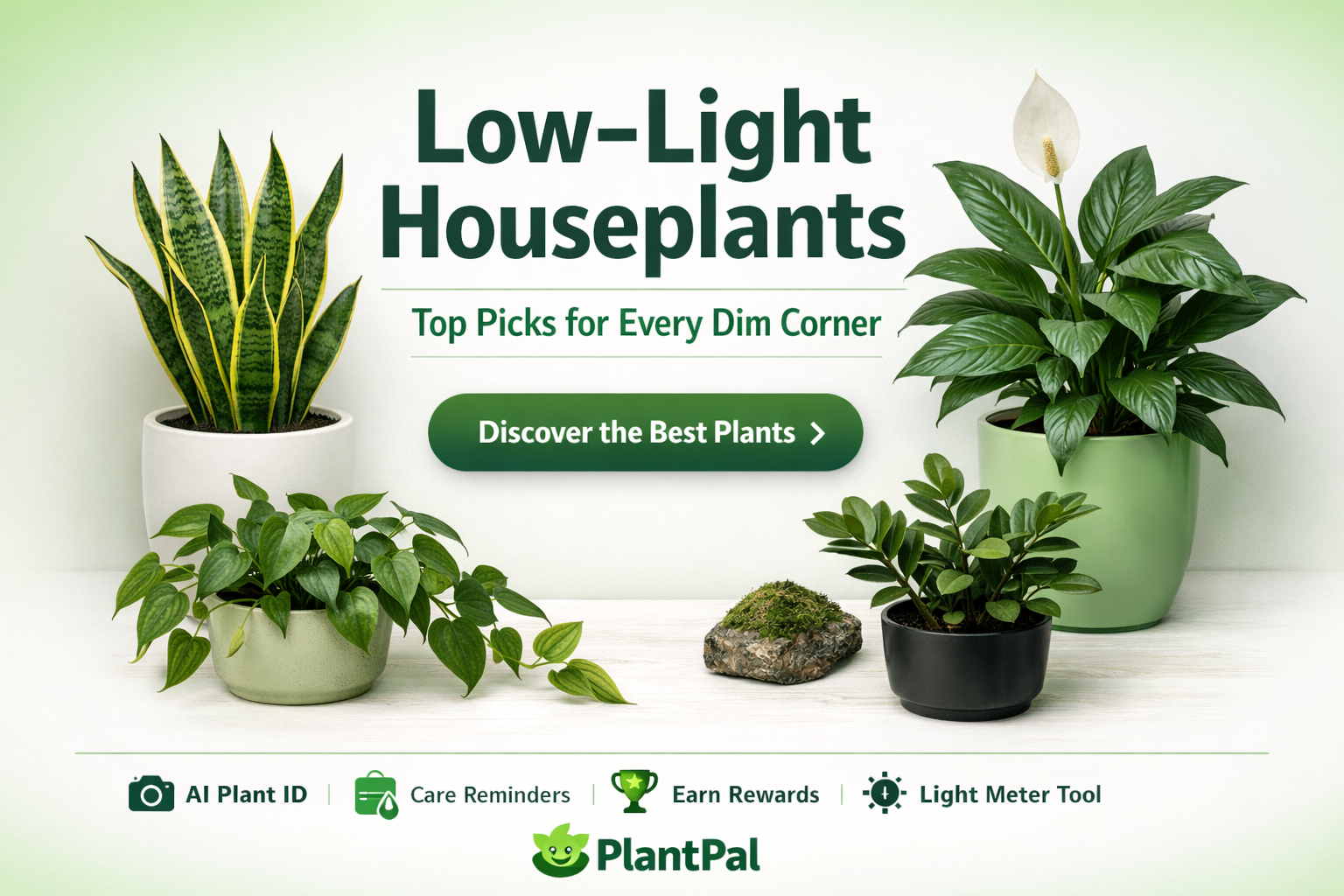
Dreaming of a lush, vibrant indoor jungle but convinced your home is too dim? Many aspiring plant parents face the common challenge of inadequate natural light, especially those living in apartments, older homes, or spaces with limited window exposure. It's a frustrating hurdle when you envision verdant corners, only to worry if any plant could genuinely thrive in such conditions. The good news is, your green thumb aspirations don't have to be thwarted by less-than-sunny spots.
This comprehensive guide is dedicated to helping you transform those overlooked, darker areas into lively botanical showcases. We’ll delve into the world of low light houseplants, revealing an impressive array of species that not only tolerate but genuinely flourish in less-than-ideal lighting. From identifying what "low light" truly means to providing essential care adjustments, we'll equip you with the knowledge to select and nurture the best low light plants for your home. Get ready to illuminate every dim corner with resilient, beautiful foliage, making plant care an achievable joy for every enthusiast, regardless of their space's natural light.
Illuminating Your Darkest Corners with Greenery
Every home has them: those cozy nooks, hallway shelves, or bathroom countertops that seem to yearn for a touch of green but receive little natural light. For years, these dark room plants were a myth to many, leading to cycles of plant purchases followed by wilting disappointment. However, the botanical world offers a surprising diversity of species perfectly adapted to shadier conditions. These resilient plants not only survive but can truly thrive, bringing life, texture, and natural beauty to otherwise overlooked areas.
Embracing low-light options opens up a world of possibilities for decorating and enhancing your living space. You no longer need to restrict your plant collection to bright, south-facing windows. Instead, you can strategically place plants throughout your home, adding bursts of greenery to every room, even those with minimal light. This approach allows for greater creative freedom in interior design and makes plant ownership accessible to everyone, from apartment dwellers to those with north-facing windows. Many of these low-light champions are also renowned for their easy-care nature, making them ideal companions for beginners or busy individuals. For more options suitable for smaller or dimmer living spaces, explore our guide on the Best Plants for Apartments: Thrive in Small Spaces & Low Light.
Our Top 10 Picks for Thriving Low-Light Conditions
Choosing the right plant is crucial for success in dimly lit areas. Here are our top recommendations for easy care plants that will flourish even with limited natural light, perfect for both novice and experienced plant parents.
Snake Plant (Sansevieria trifasciata)
- Why it's great: Virtually indestructible, the snake plant is a champion of neglect and low light. Its upright, sword-like leaves add modern elegance to any space.
- Care Tip: Allow the soil to dry out completely between waterings. Overwatering is its only real enemy. For an in-depth guide, check out our Snake Plant Care Guide: Thriving with Sansevieria.
Pothos (Epipremnum aureum)
- Why it's great: With its trailing vines and heart-shaped leaves, Pothos is incredibly versatile and forgiving. It comes in various variegated forms that can brighten up a room.
- Care Tip: Pothos tolerates low light but prefers medium indirect light. Water when the top inch or two of soil feels dry. Learn more with our Pothos Plant Care Made Easy: A Beginner's Guide to Trailing Beauty.
ZZ Plant (Zamioculcas zamiifolia)
- Why it's great: The ZZ plant is perhaps the ultimate low-maintenance houseplant. Its waxy, dark green leaves store water, making it extremely drought-tolerant and capable of surviving in very low light.
- Care Tip: Water sparingly, typically once a month or even less in low light. It's better to underwater than overwater.
Peace Lily (Spathiphyllum)
- Why it's great: Known for its elegant white "flowers" (modified leaves or spathes) and glossy dark green foliage, the Peace Lily brightens up low-light spots. It's quite expressive, drooping dramatically when thirsty.
- Care Tip: Keep the soil consistently moist but not soggy. It will tell you when it needs water!
Cast Iron Plant (Aspidistra elatior)
- Why it's great: True to its name, this plant is incredibly tough and can withstand extreme neglect, including very low light, irregular watering, and temperature fluctuations.
- Care Tip: Water only when the soil is dry to the touch. It thrives on minimal attention.
Chinese Evergreen (Aglaonema)
- Why it's great: Aglaonemas boast beautiful patterned leaves with shades of silver, pink, and red, adding a splash of color to dim areas. They are very adaptable.
- Care Tip: Allow the topsoil to dry out slightly between waterings. Avoid cold drafts.
Prayer Plant (Maranta leuconeura)
- Why it's great: This striking plant has vibrant, patterned leaves that fold up at night, resembling praying hands. It adds a unique, dynamic element to your plant collection.
- Care Tip: Requires high humidity and consistently moist (but not wet) soil. Prefers indirect light.
Dumb Cane (Dieffenbachia)
- Why it's great: Dieffenbachia offers large, often variegated leaves that create a bold tropical statement. It can grow quite large, making it a focal point even in low light.
- Care Tip: Keep soil lightly moist and provide high humidity. Rotate it occasionally for even growth.
Spider Plant (Chlorophytum comosum)
- Why it's great: Famous for its arching leaves and "spiderettes" that dangle from the mother plant, the Spider Plant is easy to care for and easy to propagate.
- Care Tip: Prefers slightly drier conditions. Water when the top inch of soil is dry.
English Ivy (Hedera helix)
- Why it's great: A classic choice for trailing greenery, English Ivy can be grown in hanging baskets or allowed to climb. It’s effective in low-light spots and tolerates a fair amount of neglect.
- Care Tip: Keep soil consistently moist and provide good air circulation to prevent spider mites.
To ensure your chosen plants stay healthy and vibrant, BenePlant can help! Our AI Plant Identification & Smart Watering Schedules: Never Guess Again! feature helps you identify any plant and set up personalized watering and fertilizing reminders, ensuring optimal care even for your low-light beauties.
Understanding 'Low Light': What Does It Really Mean?
When a plant guide mentions "low light," it doesn't mean "no light" or "complete darkness." Plants still need some form of light to photosynthesize and survive. Instead, "low light" generally refers to:
- Indirect, Dim Light: Spaces where direct sunlight never reaches, or where light is heavily filtered (e.g., behind a sheer curtain).
- North-Facing Windows: Rooms with windows facing north typically receive the least intense and shortest duration of direct sunlight, often considered ideal for low-light plants.
- Interior Rooms: Areas far from any window, or rooms with small windows, where ambient light is consistently subdued.
- Shadowy Spots: Corners or shelves where objects cast significant shadows for most of the day.
How to gauge low light in your home: A simple test involves observing a spot throughout the day. If you can comfortably read a book without artificial light, it's likely medium to low light. If it's too dim to read, it's definitely a low-light area. You can also use a light meter, like the one built into the BenePlant app, to get a more precise reading. Our Master Light & Moisture: BenePlant's Built-in Tools for Healthy Growth guide explains how to use these tools to find the perfect spot for each plant. Remember, even low-light plants appreciate a bit more brightness than absolute gloom. If a spot is truly dark, consider rotating your plants periodically to a brighter location for a few days to "recharge."
Care Adjustments for Low-Light Environments
While low light houseplants are incredibly resilient, they still require specific care adjustments to truly thrive in their subdued environments. Ignoring these nuances can lead to common issues like stunted growth, yellowing leaves, or susceptibility to pests.
1. Watering Less Frequently
The most critical adjustment for plants in low light is reducing your watering frequency. Less light means less photosynthesis, which in turn means plants use less water. Overwatering is the number one killer of houseplants, especially those in low light.
- Tip: Always check the soil moisture before watering. Stick your finger two inches into the soil. If it feels damp, wait. If it's dry, then water. Many low-light plants prefer to dry out almost completely between waterings. For a deeper dive into proper watering techniques, see our Watering Your Plants: The Ultimate Guide for Beginners.
2. Fertilizing Sparingly
Just like water, plants in low light have reduced nutritional needs. Their growth rate slows down significantly, so they don't require as much "food."
- Tip: Fertilize low-light plants only during their active growing season (spring and summer) and at half the recommended strength, or even less frequently than standard instructions. During fall and winter, typically cease fertilizing altogether. Our Fertilizing Houseplants: What, When, and How Much offers comprehensive advice on this topic.
3. Humidity Considerations
While not directly tied to light levels, many popular low-light plants (like Peace Lilies and Prayer Plants) are tropical in origin and appreciate higher humidity. In low-light corners, which might also be less airy, ensuring adequate humidity can prevent crispy leaf tips.
- Tip: Group plants, use a pebble tray, or consider a small humidifier.
4. Pest Vigilance
Stressed plants are more vulnerable to pests. Plants struggling in inadequate light, or with improper watering, can become easy targets.
- Tip: Regularly inspect your low-light plants for any signs of pests. Wipe down leaves with a damp cloth to remove dust and deter mites. For identification and treatment, consult our Indoor Plant Pest Control: Identify, Treat, & Prevent Common Invaders.
By making these simple adjustments, your low-light tolerant plants will not only survive but also add a vibrant, calming presence to every dim corner of your home. To keep all your plants thriving, consider downloading the BenePlant: Your Ultimate AI-Powered Plant Care Companion App which provides personalized care schedules and helpful tools right at your fingertips.
FAQ Section
Q: Can any plant truly survive in a room with no windows? A: No, plants cannot survive indefinitely in a room with absolutely no natural light. While low light houseplants can tolerate very dim conditions, they still require some ambient light for photosynthesis. If a room has zero natural light, even the toughest plants will eventually decline. In such cases, consider using artificial grow lights as a supplemental source.
Q: How often should I water my low-light plants? A: The frequency varies greatly depending on the plant species, pot size, and humidity levels, but generally, less often than plants in brighter conditions. Always check the soil moisture by sticking your finger about two inches deep. If it feels dry, then water thoroughly. For many low-light plants like ZZ plants and Snake plants, this could mean once every 2-4 weeks.
Q: Do low-light plants grow slower than plants in bright light? A: Yes, generally, plants placed in low-light conditions will exhibit slower growth. Less light means reduced energy production through photosynthesis, which directly impacts their growth rate. This isn't a sign of poor health (unless accompanied by other symptoms like yellowing leaves), but simply an adaptation to their environment.
Q: My low-light plant's leaves are turning yellow. What's wrong? A: Yellowing leaves on a low-light plant often indicate overwatering, which is a common issue for plants in dim conditions. It can also be a sign of nutrient deficiency or pests. First, check your watering schedule and ensure the soil isn't consistently soggy. For a full diagnostic, refer to our guide on Why Are My Houseplant Leaves Turning Yellow? Diagnose & Fix It!.
Q: Can I put a low-light plant outside in the shade during summer? A: Many low light houseplants can benefit from spending time outdoors in a shaded, protected spot during warm summer months. The increased airflow and natural light (even indirect) can give them a boost. However, always acclimate them gradually to outdoor conditions and protect them from direct sun, harsh winds, and sudden temperature drops.
Conclusion
Don't let limited natural light dim your plant parenting dreams. With the right knowledge and a selection of resilient low light houseplants, you can transform even the dimmest corners of your home into vibrant, green sanctuaries. From the architectural elegance of the Snake Plant to the cheerful trailing Pothos, there's a perfect plant out there waiting to thrive in your space. Understanding what "low light" truly means and adjusting your care routine – primarily by moderating watering and fertilizing – are the keys to their long-term success.
Embrace the beauty and ease of these adaptable plants, and watch as they add life and a sense of calm to every room. Ready to embark on your low-light plant journey or need a smart companion to help manage your growing collection? Download the BenePlant app today! With AI plant identification, personalized care schedules, and a built-in light meter, BenePlant takes the guesswork out of plant care, ensuring all your green friends, no matter their light requirements, stay happy and healthy. Start creating your thriving indoor oasis now!
Share this article